

Digestive symptoms such as persistent abdominal pain, difficulty swallowing, vomiting, acid reflux and unexplained bleeding may require a closer examination of the gastrointestinal tract. GI endoscopy is a diagnostic procedure that allows a specialist to examine the digestive tract using a flexible tube with a camera.
Dr. Ram Chandra Soni, MBBS, MD (Medicine), DM (Gastroenterology), is Chairman of Gastroenterology & Hepatology at Accord Superspeciality Hospital, Faridabad. He provides consultation for digestive conditions and endoscopic evaluation.
What Is GI Endoscopy?
GI endoscopy is a group of procedures used to examine different parts of the digestive system. The type of endoscopy depends on the symptoms and the area that needs investigation.
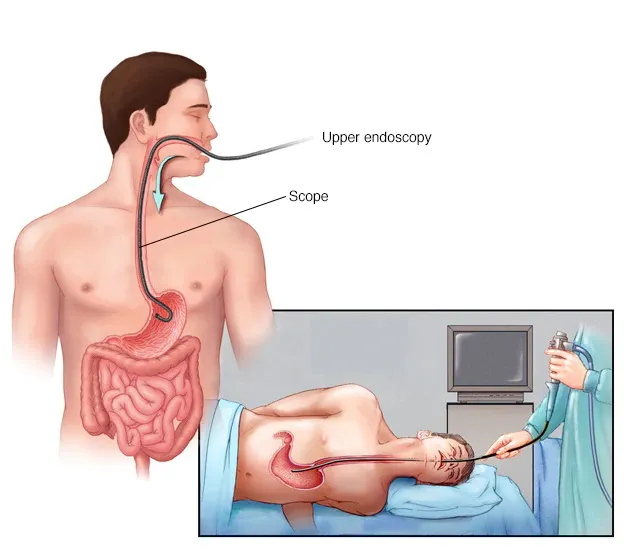
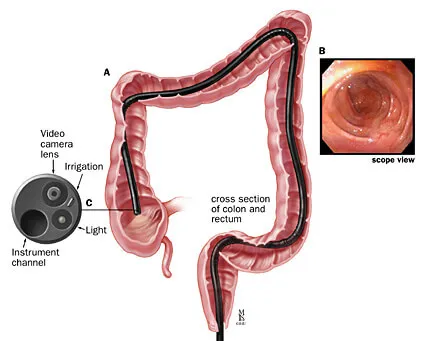
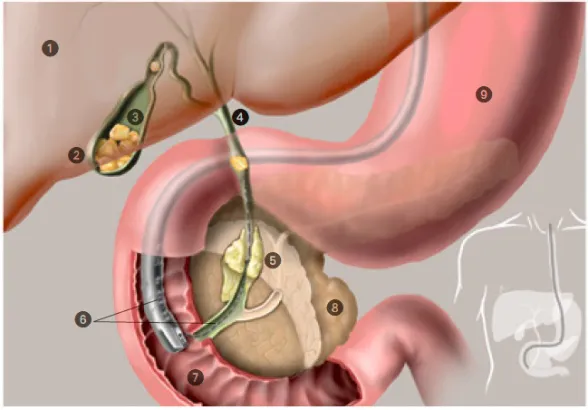
An upper GI endoscopy examines the oesophagus, stomach and first part of the small intestine. A colonoscopy examines the large intestine and rectum. Other specialised endoscopic procedures may be used to investigate specific digestive conditions.
When Is GI Endoscopy Recommended?
A gastroenterologist may recommend endoscopy to investigate:
- Persistent acid reflux or difficulty swallowing.
- Ongoing upper abdominal pain or indigestion.
- Unexplained vomiting.
- Gastrointestinal bleeding or iron-deficiency anaemia.
- Suspected ulcers, inflammation or other abnormalities.
- Certain digestive conditions that require biopsy or endoscopic treatment.
Not every digestive symptom requires endoscopy. The doctor will assess your history and determine whether the procedure is appropriate.
How Is GI Endoscopy Performed?
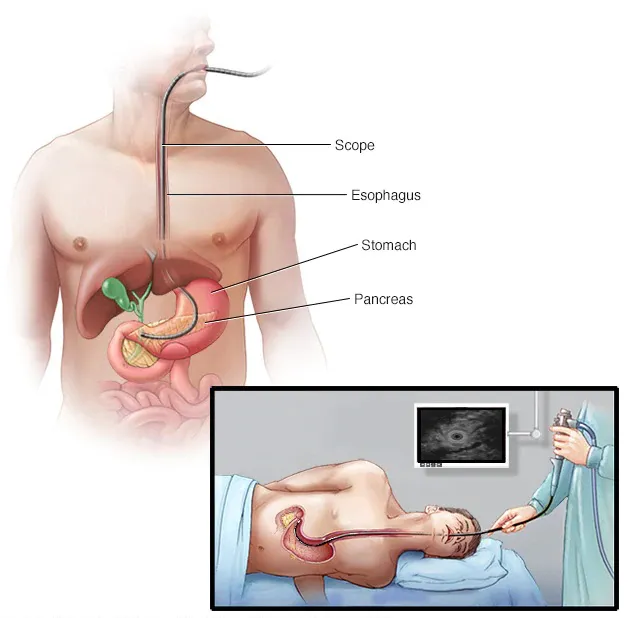
The procedure depends on the type of endoscopy being performed. During an upper GI endoscopy, a thin, flexible instrument is passed through the mouth to examine the upper digestive tract. Sedation may be offered when appropriate.
If necessary, the doctor may take small tissue samples for laboratory testing or perform selected treatments during the procedure. Patients receive instructions about fasting, medication and recovery before their appointment.
Preparation and Recovery
Preparation may include fasting, medication review and arranging transport home if sedation is used. Colonoscopy requires a separate bowel-cleansing preparation.
After the procedure, temporary throat irritation or bloating may occur, depending on the type of examination. Follow the medical team’s instructions and seek urgent care for severe abdominal pain, significant bleeding, fever or difficulty breathing.
Why Choose Dr. Ram Chandra Soni?
Dr. Ram Chandra Soni has specialist qualifications in gastroenterology and serves as Chairman of Gastroenterology & Hepatology at Accord Superspeciality Hospital, Faridabad.
Patients can consult him for digestive symptom assessment, discussion of appropriate endoscopic investigations and guidance on findings, biopsy results and further treatment.
Frequently Asked Questions
1. Is GI endoscopy painful?
Discomfort varies by procedure. Sedation may be available for selected examinations.
2. How long does endoscopy take?
The duration depends on the type of procedure and whether additional sampling or treatment is required.
3. Can a biopsy be taken during endoscopy?
Yes, when clinically indicated. Small tissue samples can be collected for laboratory examination.
4. Do I need to fast before an upper GI endoscopy?
Usually, yes. Follow the exact fasting instructions provided by your treating team.
5. Is endoscopy used to diagnose ulcers?
Upper GI endoscopy can help identify ulcers and other abnormalities in the oesophagus, stomach and upper small intestine.
6. Is endoscopy suitable for everyone?
The decision depends on symptoms, medical history, procedural risks and the clinical question.
7. When should I seek medical advice?
Seek assessment for persistent digestive symptoms, difficulty swallowing, unexplained anaemia or gastrointestinal bleeding.
8. Where can I consult Dr. Ram Chandra Soni?
Contact the clinic to confirm appointment availability and the appropriate investigation for your symptoms.
Book a Consultation in Faridabad
Appointment: +91 98114 46141 | 24×7 Emergency: +91 88005 01960
Hospital: Accord Superspeciality Hospital, Sector 86, Greater Faridabad
Clinic: SCO 91, Sector 17, near Indian Bank, HUDA Market, Faridabad

 WhatsApp Us