

The small intestine plays an important role in digestion and nutrient absorption. Certain conditions affecting this part of the digestive tract may require specialised examination beyond routine upper GI endoscopy or colonoscopy.
Enteroscopy is an endoscopic procedure that allows a doctor to examine part of the small intestine. It may help investigate unexplained bleeding, suspected inflammation and selected abnormalities detected on other tests.
Dr. Ram Chandra Soni, MBBS, MD (Medicine), DM (Gastroenterology), is Chairman of Gastroenterology & Hepatology at Accord Superspeciality Hospital, Faridabad.
What Is Enteroscopy?
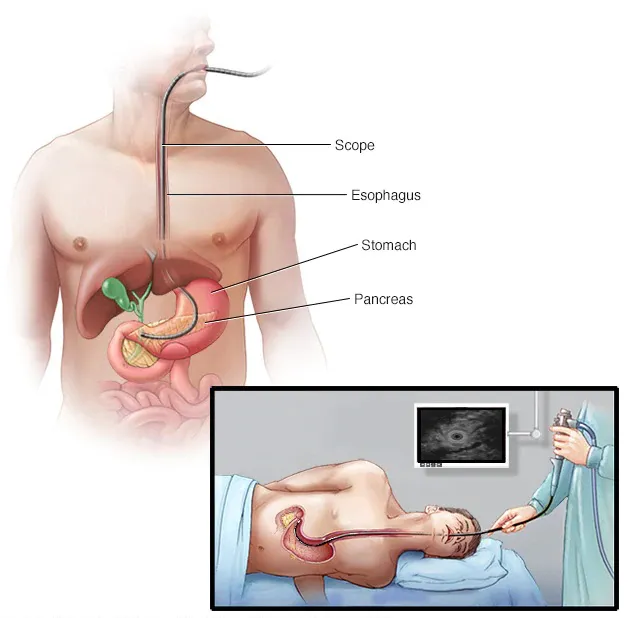
Enteroscopy uses a flexible instrument with a camera to examine the small intestine. The type of enteroscopy selected depends on the area that needs to be reached and the reason for the investigation.
Some techniques examine only a limited portion of the small intestine, while advanced approaches such as balloon-assisted enteroscopy can reach deeper sections. The procedure may also allow biopsy or selected treatment when clinically appropriate.
When Is Enteroscopy Recommended?
A gastroenterologist may recommend enteroscopy in selected cases involving:
- Unexplained gastrointestinal bleeding.
- Iron-deficiency anaemia when a small intestinal source is suspected.
- Abnormal findings on capsule endoscopy or imaging.
- Suspected small intestinal ulcers, inflammation or lesions.
- Selected polyps or abnormalities that need tissue sampling.
- Further assessment or treatment of certain small intestinal conditions.
The procedure is not required for every patient with abdominal pain or bloating. The doctor will assess symptoms, previous investigations and whether direct examination of the small intestine is likely to help.
How Is Enteroscopy Performed?
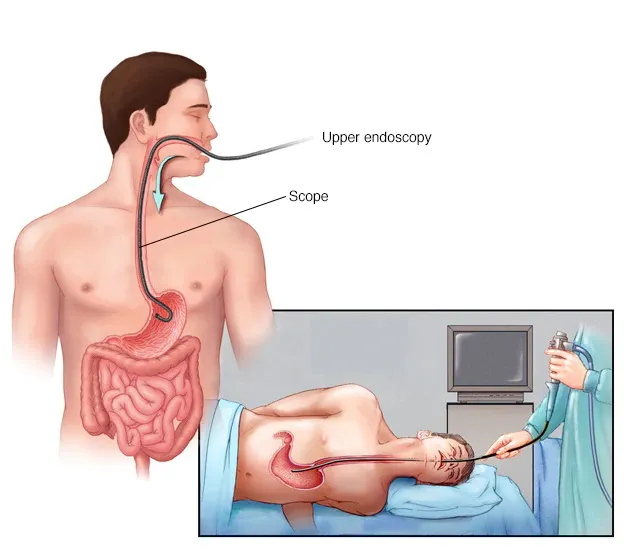
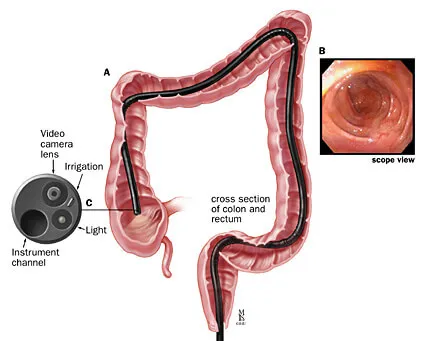
Depending on the suspected location, the endoscope may be introduced through the mouth or through the anus. The procedure may use a standard or specialised endoscopic technique.
The doctor examines the accessible small intestine and may collect tissue samples for laboratory analysis. Certain abnormalities may be treated during the procedure, depending on their nature and the equipment available.
The team will explain fasting, sedation, medication instructions and the expected recovery period before the examination.
Preparation and Recovery
Preparation varies according to the type of enteroscopy and the route used. Patients may need to fast, review their medicines and complete bowel preparation for selected procedures.
Mild temporary discomfort or bloating may occur. Possible complications include bleeding, perforation and sedation-related problems; risks depend on the procedure and whether an intervention is performed.
Follow the discharge instructions and seek urgent assessment for severe abdominal pain, fever, significant bleeding or other concerning symptoms.
Enteroscopy vs Upper GI Endoscopy and Capsule Endoscopy
- Upper GI endoscopy: Examines the oesophagus, stomach and first part of the small intestine.
- Enteroscopy: Extends examination into selected portions of the small intestine and may allow biopsy or treatment.
- Capsule endoscopy: Uses a swallowable camera to capture images as it travels through the digestive tract but cannot take biopsies or treat abnormalities.
These procedures complement one another. The right choice depends on the location of the suspected problem and the information or treatment needed.
Why Choose Dr. Ram Chandra Soni?
Dr. Ram Chandra Soni is a specialist in gastroenterology and hepatology at Accord Superspeciality Hospital, Faridabad. He provides consultation for digestive symptoms and can help determine whether further small intestinal evaluation is required.
Patients can discuss their previous test results, symptoms and appropriate diagnostic options. The specific enteroscopy technique and its availability should be confirmed with the clinic before scheduling.
Frequently Asked Questions
1. What does enteroscopy examine?
Enteroscopy examines selected portions of the small intestine that may not be fully accessible with routine endoscopy.
2. Why might I need enteroscopy?
It may be recommended to investigate unexplained bleeding, anaemia or an abnormality found on capsule endoscopy or imaging.
3. Can enteroscopy take a biopsy?
Yes, when clinically indicated. Tissue samples can be collected for laboratory examination.
4. Is enteroscopy different from colonoscopy?
Yes. Colonoscopy examines the colon and rectum, while enteroscopy is used to examine portions of the small intestine.
5. Is capsule endoscopy an alternative?
In some cases. Capsule endoscopy provides images, while enteroscopy may allow direct biopsy or treatment. The tests are not interchangeable in every situation.
6. Is enteroscopy performed under sedation?
Sedation or anaesthesia may be used depending on the technique and the patient’s clinical needs.
7. What are the risks of enteroscopy?
Potential risks include bleeding, perforation and sedation-related complications. The treating team will explain the risks relevant to your procedure.
8. Is enteroscopy available with Dr. Ram Chandra Soni?
Contact the clinic to confirm which enteroscopy techniques are currently available and whether referral is needed.
Book a Gastroenterology Consultation in Faridabad
If your symptoms or previous investigations suggest a small intestinal condition, a specialist consultation can help determine whether enteroscopy or another test is appropriate.
Appointment: +91 98114 46141 | 24×7 Emergency: +91 88005 01960
Hospital: Accord Superspeciality Hospital, Sector 86, Greater Faridabad
Clinic: SCO 91, Sector 17, near Indian Bank, HUDA Market, Faridabad

 WhatsApp Us