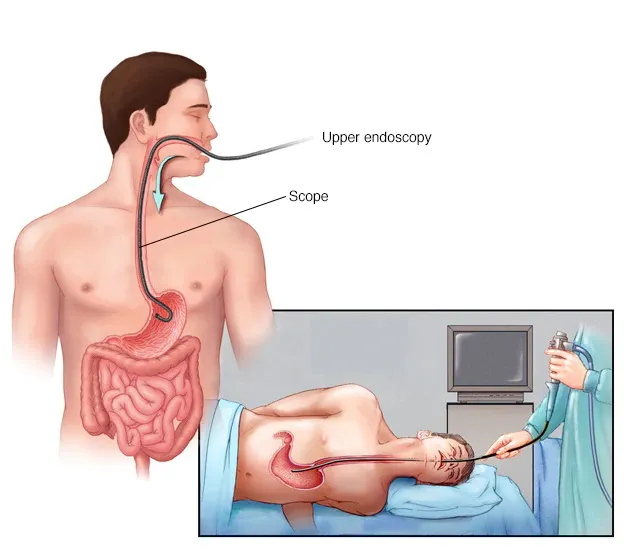
Persistent upper abdominal discomfort, difficulty swallowing, unexplained anaemia, or suspected stomach ulcers may require further investigation. Endoscopy in Faridabad helps a gastroenterologist examine the upper digestive tract and identify possible causes of these symptoms.
Dr. Ram Chandra Soni, MBBS, MD (Medicine), DM (Gastroenterology), is Chairman – Gastroenterology & Hepatology at Accord Superspeciality Hospital, Faridabad. He evaluates digestive disorders and performs diagnostic and therapeutic endoscopic procedures.
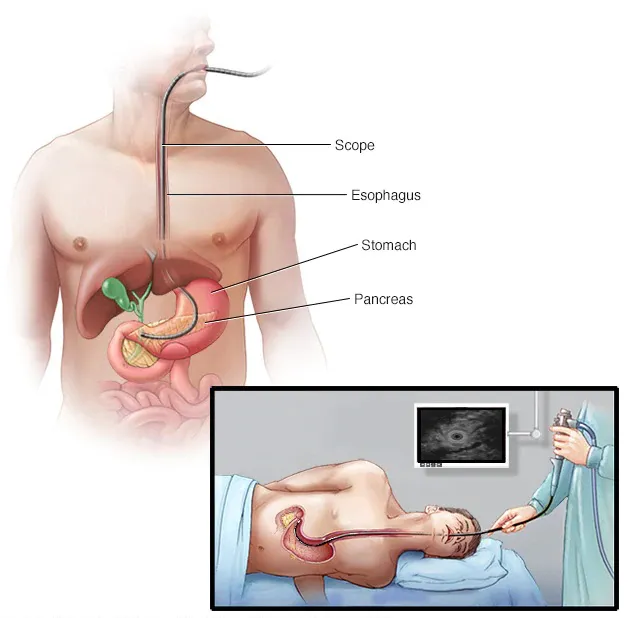
An upper gastrointestinal (GI) endoscopy allows the doctor to examine the lining of the oesophagus, stomach, and duodenum using a thin, flexible tube with a camera. The procedure may help diagnose certain conditions, collect tissue samples, or treat selected abnormalities.
Not every digestive complaint requires endoscopy. The decision depends on your symptoms, medical history, examination findings, and individual risk factors.
Upper GI endoscopy, also called gastroscopy, is a procedure used to examine the upper part of the digestive tract.
A gastroenterologist gently passes a flexible instrument called an endoscope through the mouth. Its camera and light transmit images to a monitor, allowing the doctor to inspect:
Endoscopy provides a direct view of the inner lining of these organs. If necessary, the doctor can take a biopsy or perform selected treatments during the procedure.
A gastroenterologist may recommend upper GI endoscopy when further examination could help explain symptoms or guide treatment.
Ongoing pain, burning, or discomfort in the upper abdomen may be associated with gastritis, peptic ulcers, reflux-related conditions, or other digestive problems. Endoscopy may be considered when symptoms persist, treatment has not helped, or other clinical findings warrant investigation.
Difficulty swallowing, or dysphagia, can occur when food feels stuck in the throat or chest. Endoscopy can help identify inflammation, narrowing, or other structural abnormalities.
Iron-deficiency anaemia may sometimes result from slow blood loss in the digestive tract. Depending on the patient’s history and clinical findings, upper GI endoscopy may help identify ulcers, inflammation, or another possible source of bleeding.
Peptic ulcers are sores in the lining of the stomach or duodenum. Endoscopy can help identify ulcers and assess their appearance. Additional testing or biopsy may be recommended when appropriate.
Vomiting blood or material resembling coffee grounds can indicate upper digestive tract bleeding. Endoscopy may help locate the source and, in selected cases, treat it.
Vomiting blood, significant bleeding, fainting, or black tarry stools accompanied by weakness or dizziness require urgent medical assessment.
Persistent vomiting, unexplained weight loss, or loss of appetite may require further investigation, especially when combined with other warning signs. Your doctor will decide whether endoscopy or another test is appropriate.
The purpose of endoscopy depends on the patient’s symptoms and the findings during the examination.
Diagnostic endoscopy: Examines the upper digestive tract to identify inflammation, ulcers, narrowing, bleeding, and other abnormalities.
Endoscopy with biopsy: Small tissue samples are collected for laboratory examination when further investigation is needed. A biopsy does not automatically mean cancer is suspected.
Therapeutic endoscopy: Selected conditions, such as certain bleeding lesions or narrowed areas, may be treated using instruments passed through the endoscope. Some abnormalities require a separate procedure or additional treatment.
Proper preparation helps improve visibility and supports procedural safety.
Your preparation instructions may vary depending on the procedure, your medical history, and the sedation plan.
The procedure generally takes place in a hospital or endoscopy unit.
A routine diagnostic examination often takes around 5–15 minutes. Preparation, recovery, and therapeutic procedures may take longer.
You may experience mild throat soreness, bloating, or belching after the examination. These symptoms usually settle without specific treatment.
If throat anaesthesia was used, wait until the numbness has worn off and normal swallowing has returned before eating or drinking, following your care team’s instructions.
After sedation, you will generally need to avoid driving, alcohol, machinery, and activities requiring full alertness for the period specified by your doctor, commonly the remainder of the day.
Your doctor may explain the initial findings soon after the procedure. If a biopsy was taken, the laboratory report may take several days or longer.
Upper GI endoscopy is generally safe when performed by a trained team, but possible complications include:
Seek urgent medical attention for severe or worsening chest or abdominal pain, vomiting blood, significant bleeding, breathing difficulties, or fever accompanied by concerning symptoms.
Upper GI endoscopy directly examines the inner lining of the oesophagus, stomach, and duodenum. It can also allow biopsy and selected treatments.
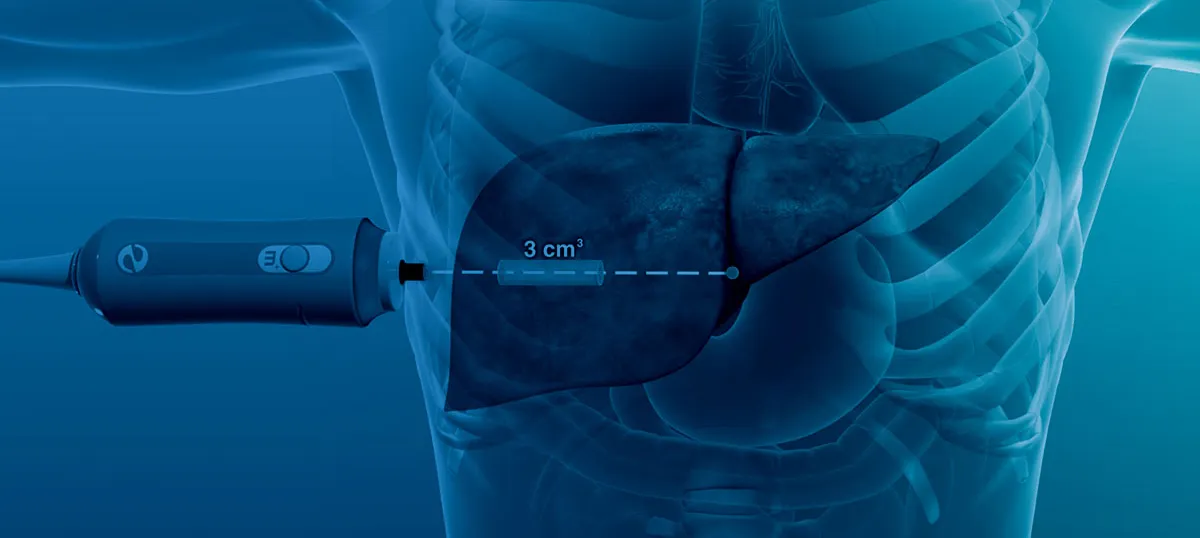
Imaging tests such as ultrasound, CT, and MRI produce images of internal organs and surrounding structures. They may be more suitable for investigating conditions affecting the liver, pancreas, gallbladder, or areas outside the digestive tract.
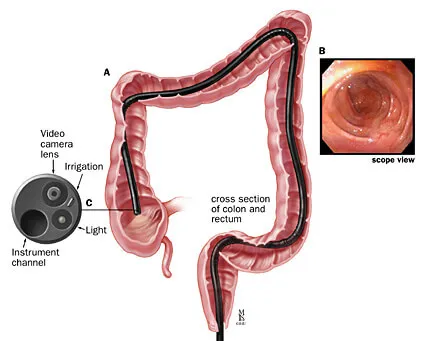
Colonoscopy, by contrast, examines the rectum and colon. It may be recommended for rectal bleeding, persistent bowel habit changes, selected cases of anaemia, inflammatory bowel disease assessment, or colorectal cancer screening when appropriate.
The procedures serve different purposes and are not interchangeable.
Read the related article: Endoscopy and Colonoscopy in Faridabad: What a Gastroenterologist Can Diagnose.
You can also learn about colonoscopy in Faridabad.
The decision to perform endoscopy should be based on clinical need. A consultation can help determine whether the procedure, medication, imaging, or another investigation is most appropriate.
Learn more about Dr. Ram Chandra Soni.
If you have persistent upper abdominal discomfort, difficulty swallowing, unexplained anaemia, or other concerning digestive symptoms, consult a gastroenterologist to discuss the appropriate next step.
Appointment: +91 98114 46141 | 24×7 Emergency: +91 88005 01960
Hospital: Accord Superspeciality Hospital, Sector 86, Greater Faridabad
Clinic: SCO 91, Sector 17, near Indian Bank, HUDA Market, Faridabad
Consultation locations:
Website: www.drramchandrasoni.in
It examines the oesophagus, stomach, and duodenum to investigate symptoms and identify conditions such as ulcers, inflammation, narrowing, and possible sources of bleeding.
You may experience temporary gagging or discomfort. A throat-numbing spray and, when appropriate, sedation can help improve comfort.
A routine diagnostic examination often takes around 5–15 minutes, although the total visit may take longer because of preparation and recovery.
Yes, fasting is generally required. Follow your endoscopy team’s instructions about when to stop eating and drinking.
Yes. Small tissue samples can be collected to investigate inflammation, abnormal tissue, or other suspected conditions. A biopsy does not automatically indicate cancer.
It is generally safe, but complications such as sedation-related reactions, bleeding, aspiration, and rare perforation can occur.
You can usually resume eating and drinking when your care team confirms it is safe and any throat numbness has worn off.
No. Many cases can initially be assessed through a consultation and appropriate treatment. Endoscopy may be recommended when symptoms persist or warning signs and risk factors warrant further investigation.
for Endoscopy
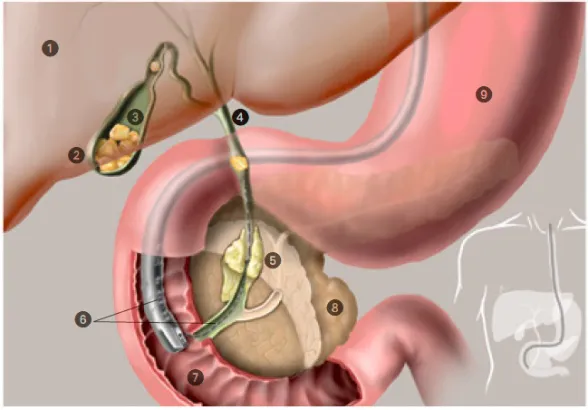
From endoscopy and colonoscopy to FibroScan, ERCP and advanced gastrointestinal procedures, we offer expert diagnosis and personalized treatment for a wide range of digestive disorders.
Experience personalized medical attention and compassionate care. Book your appointment today and take the first step toward better health.
© 2026. Dr. Rama Chandra Soni.All rights Reserved.
Built By: Shivafeb17 | Codenbrand
 WhatsApp Us