

Endoscopic Sleeve Gastroplasty (ESG) in Faridabad – Dr. Ram Chandra Soni
Endoscopic Sleeve Gastroplasty (ESG) is a minimally invasive, endoscopic weight-management procedure designed to reduce the effective size of the stomach without the external incisions used in conventional bariatric surgery. It uses specialised suturing equipment introduced through the mouth to reshape the stomach, helping patients feel full after smaller meals.
ESG may be considered for selected adults living with obesity who need additional support beyond lifestyle changes alone. It is not suitable for everyone, and the decision requires a detailed medical assessment, realistic expectations and a long-term weight-management plan.
Dr. Ram Chandra Soni is Chairman – Gastroenterology & Hepatology at Accord Superspeciality Hospital, Faridabad. His official website lists advanced endoscopic procedures and discusses endoscopic weight-management options.
What Is Endoscopic Sleeve Gastroplasty?
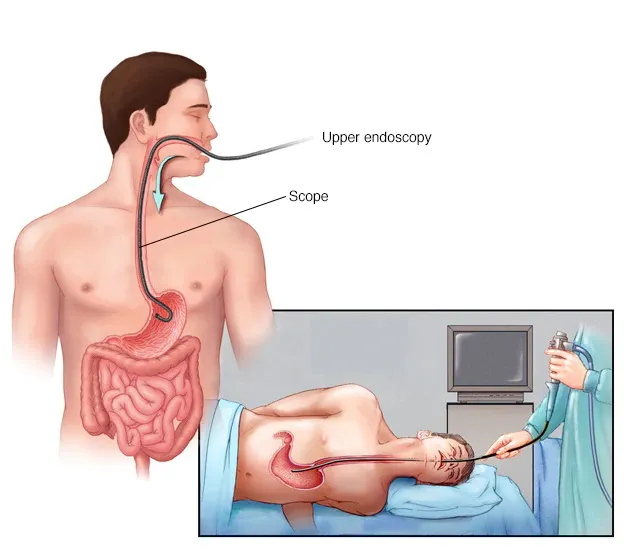
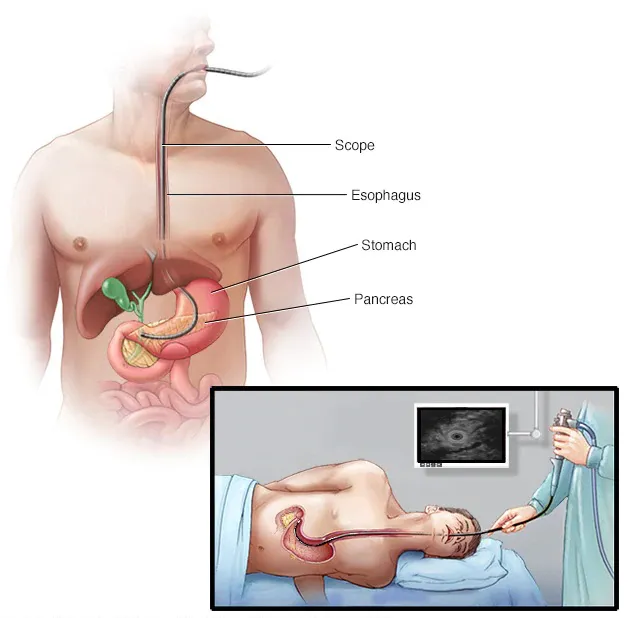
ESG is an endoscopic procedure that uses internal sutures to reduce the stomach’s capacity. A flexible endoscope fitted with a specialised suturing device is passed through the mouth into the stomach. The specialist places sutures to reshape the stomach without making external surgical incisions.
By reducing the stomach’s effective volume, ESG may help patients feel satisfied with smaller portions and support gradual weight loss.
ESG is not a standalone solution for obesity. Long-term results depend on several factors, including dietary changes, physical activity, behavioural support and follow-up care.
How Does ESG Work?
The procedure generally involves these steps:
- Pre-procedure assessment: The medical team reviews your weight history, BMI, medical conditions, medicines and previous weight-management attempts.
- Anaesthesia: The procedure is performed with appropriate anaesthesia and monitoring.
- Endoscopic insertion: A flexible endoscope is passed through the mouth into the stomach.
- Suturing: Specialised equipment places internal sutures to reshape and reduce the stomach’s effective capacity.
- Recovery and dietary progression: You receive instructions for fluids, gradual diet progression, medication and follow-up.
The exact technique depends on the equipment used and the specialist’s clinical judgement.
ESG vs Surgical Sleeve Gastrectomy vs Intragastric Balloon
Although all three approaches aim to support weight management, they work differently.
| Feature | ESG | Surgical sleeve gastrectomy | Intragastric balloon |
|---|---|---|---|
| Approach | Endoscope through the mouth | Surgery, usually laparoscopic | Balloon placed endoscopically or by the device-specific method |
| Stomach tissue removed | No | Yes, a portion is removed | No |
| How it works | Internal sutures reshape the stomach | Surgery permanently reduces stomach size | Balloon occupies space inside the stomach |
| External incisions | No | Usually small surgical incisions | No external surgical incisions |
| Device removal | Sutures are intended to remain in place | Not applicable | Balloon is temporary and must be removed or managed according to its instructions |
| Follow-up | Long-term nutrition and weight monitoring | Long-term nutrition and medical monitoring | Follow-up during treatment and after balloon removal |
ESG is less invasive than surgical sleeve gastrectomy in terms of access, but it is still an advanced medical procedure with potential complications. It does not produce the same anatomical changes as surgery, and expected weight-loss outcomes may differ.
Who May Be Considered for ESG?
ESG may be considered for selected adults with obesity who have not achieved adequate results with lifestyle measures and who want a procedural option that does not involve conventional stomach-removal surgery.
Eligibility depends on:
- BMI and weight history: Your BMI, previous weight changes and weight-related health risks.
- Medical conditions: Conditions such as type 2 diabetes, high blood pressure, sleep apnoea or fatty liver disease may affect the treatment plan.
- Previous treatments: Dietary programmes, physical activity, behavioural interventions and weight-management medicines.
- Digestive and surgical history: Previous stomach procedures, gastrointestinal conditions and other factors that may affect safety.
- Readiness for long-term changes: Your ability to follow dietary advice, attend appointments and maintain healthy habits.
Some clinical guidance discusses ESG for adults with a BMI around 30–40, while selected patients outside this range may be considered depending on their individual circumstances and applicable criteria. This is not a universal eligibility rule.
A consultation is needed to determine whether ESG, medication, an intragastric balloon, bariatric surgery or a non-procedural programme is more appropriate.
Preparation Before ESG
Preparation usually involves a comprehensive assessment and may include:
- Medical history, physical examination and BMI assessment.
- Review of existing health conditions and current medicines.
- Blood tests or other investigations when indicated.
- Assessment of nutritional status and eating patterns.
- Review of previous weight-loss treatments.
- Dietary counselling and a plan for activity and behavioural support.
Your team will provide fasting instructions and guidance about diabetes medicines, blood thinners and other regular medications. Do not stop or change medicines without medical advice.
Recovery After ESG
After the procedure, patients are monitored while the effects of anaesthesia wear off. Some may be discharged the same day, while others need additional observation depending on their health and recovery.
Diet is generally advanced gradually, beginning with liquids and progressing according to the treating team’s instructions. Temporary nausea, abdominal discomfort or vomiting may occur.
Follow-up appointments are important to assess recovery, nutritional intake, hydration, weight trends and tolerance of the prescribed diet. The timing of returning to work and usual activities should be determined by the treating team.
Benefits, Limitations and Possible Risks
Potential benefits
For appropriately selected patients, ESG may:
- Support meaningful weight loss as part of a comprehensive treatment plan.
- Help reduce portion sizes and improve feelings of fullness.
- Avoid external surgical incisions and stomach tissue removal.
- Support improvement in certain obesity-related health conditions when weight loss is achieved.
Individual outcomes vary. No particular amount of weight loss can be guaranteed.
Limitations and potential complications
ESG may not provide sufficient weight loss for every patient. Weight regain can occur, especially without sustained lifestyle changes and follow-up.
Potential complications include pain, nausea, vomiting, bleeding, infection, injury or perforation of the digestive tract, and complications related to anaesthesia. Additional treatment or hospital admission may occasionally be necessary.
Your specialist should discuss the benefits, alternatives and risks relevant to your health before you decide.
Why Long-Term Support Matters
ESG changes the stomach’s structure, but it does not remove the need for ongoing obesity care.
A long-term plan may include:
- Balanced nutrition and adequate protein intake.
- Gradual progression to regular meals as advised.
- Appropriate physical activity and strength-building exercise.
- Behavioural support for eating patterns and emotional triggers.
- Monitoring of weight-related conditions and nutritional needs.
- Follow-up consultations to identify weight regain early.
If weight loss is inadequate or weight regain occurs, the care team can reassess the plan and discuss additional options where appropriate.
Why Choose Dr. Ram Chandra Soni?
Dr. Ram Chandra Soni holds MBBS, MD (Medicine) and DM (Gastroenterology) qualifications and serves as Chairman – Gastroenterology & Hepatology at Accord Superspeciality Hospital, Faridabad. His official profile describes experience in diagnostic and therapeutic endoscopic procedures.
Patients considering endoscopic weight management should receive an individual assessment, a clear explanation of available treatment options and realistic expectations about outcomes.
A consultation can help establish whether an endoscopic procedure or another weight-management approach is appropriate.
Book a Consultation in Faridabad
If you are exploring endoscopic options for weight management, arrange a consultation to discuss your health history, goals and available treatments.
Appointment: +91 98114 46141 | 24×7 Emergency: +91 88005 01960
Hospital: Accord Superspeciality Hospital, Sector 86, Greater Faridabad
Clinic: SCO 91, Sector 17, near Indian Bank, HUDA Market, Faridabad
Visit the official website of Dr. Ram Chandra Soni for appointment information and confirmation of available services.
Frequently Asked Questions
1. Is Endoscopic Sleeve Gastroplasty a type of surgery?
ESG is an endoscopic procedure rather than conventional stomach-removal surgery. It uses internal sutures placed through an endoscope passed through the mouth, without the external incisions used in laparoscopic sleeve gastrectomy.
2. Who is eligible for ESG?
Eligibility depends on BMI, medical history, weight-related conditions, previous treatment, digestive health and local clinical criteria. A specialist must assess whether the procedure is appropriate for you.
3. How much weight can I expect to lose?
Weight loss varies between individuals. Results depend on baseline health, dietary changes, physical activity, behavioural support and follow-up. No specific amount can be guaranteed.
4. How is ESG different from an intragastric balloon?
ESG reshapes the stomach using internal sutures. An intragastric balloon occupies space inside the stomach and is a temporary device that requires planned management and removal according to its instructions.
5. Is ESG safer than surgical sleeve gastrectomy?
ESG avoids the external incisions and stomach tissue removal involved in surgical sleeve gastrectomy, but it is not risk-free. The most appropriate option depends on your health, treatment goals and specialist assessment.
6. How long does recovery take?
Recovery varies. Patients usually receive a staged dietary plan and instructions about medicines and activities. Follow your treating team’s guidance rather than assuming a fixed recovery period.
7. Can weight return after ESG?
Yes. Inadequate weight loss or weight regain is possible. Nutrition, physical activity, behavioural support and long-term follow-up are essential parts of treatment.
8. Is ESG available with Dr. Ram Chandra Soni in Faridabad?
Please contact the hospital to verify availability and eligibility before booking specifically for this procedure.


 WhatsApp Us