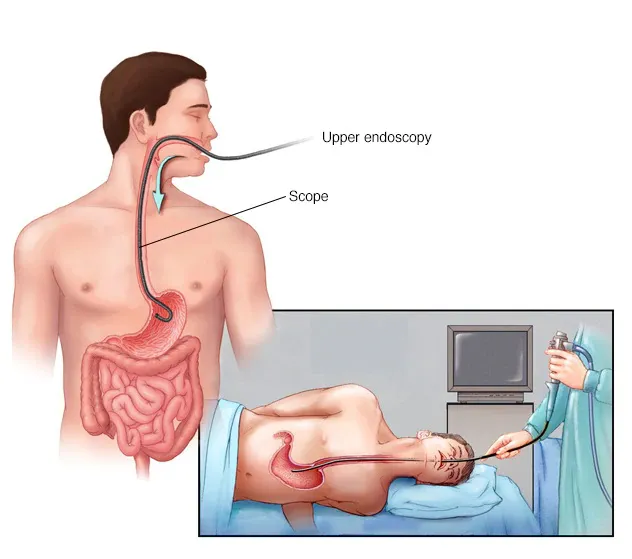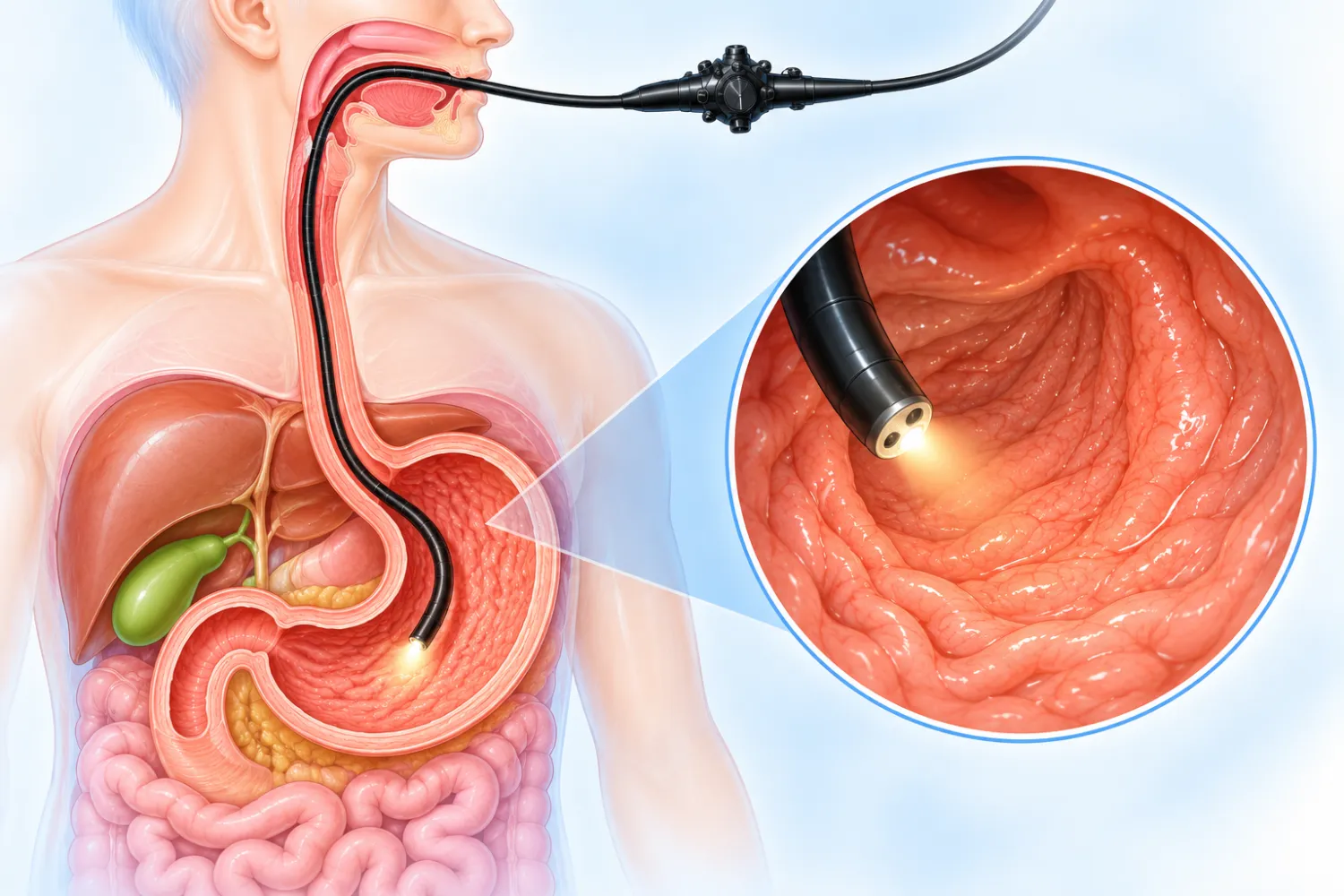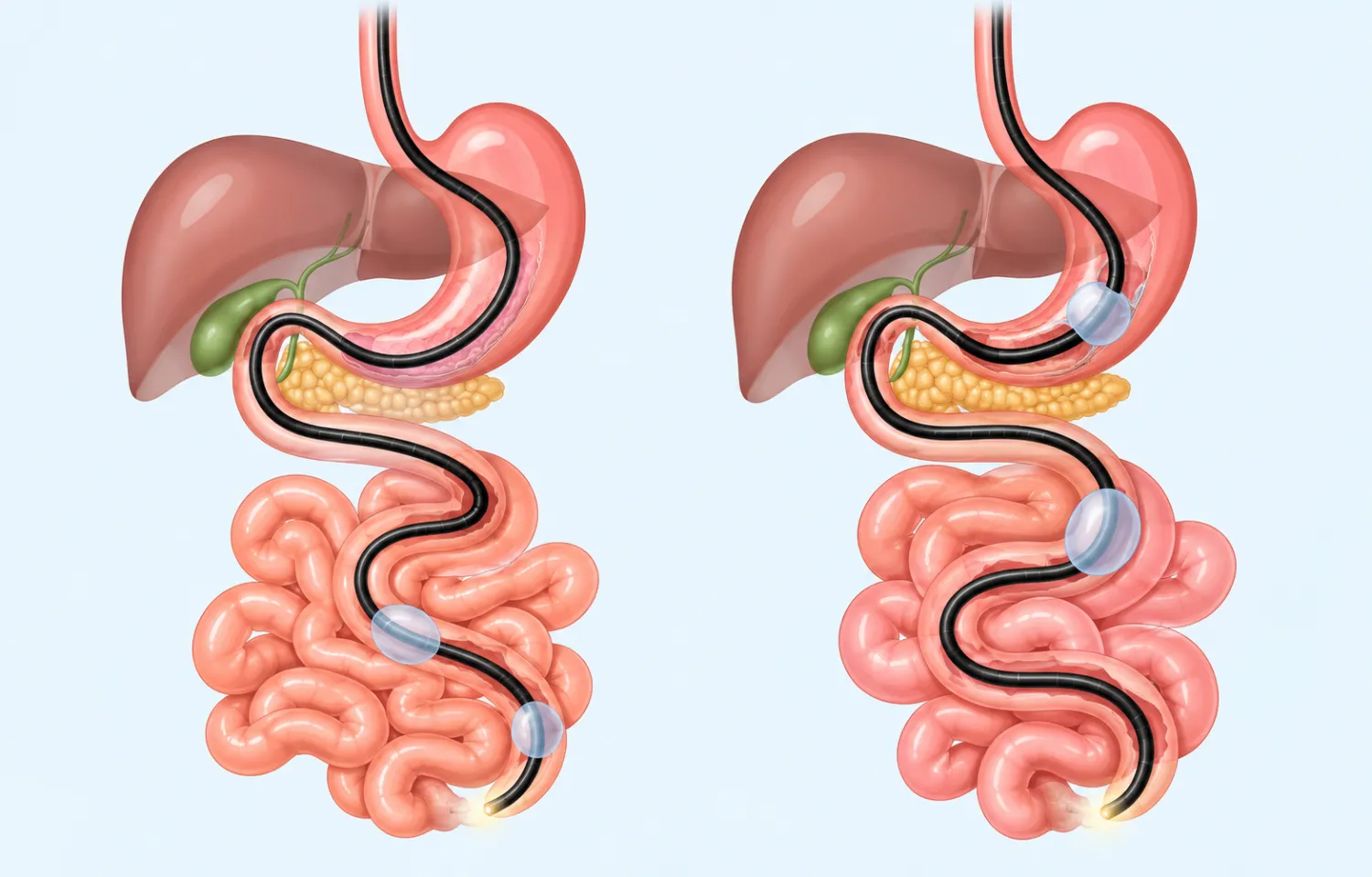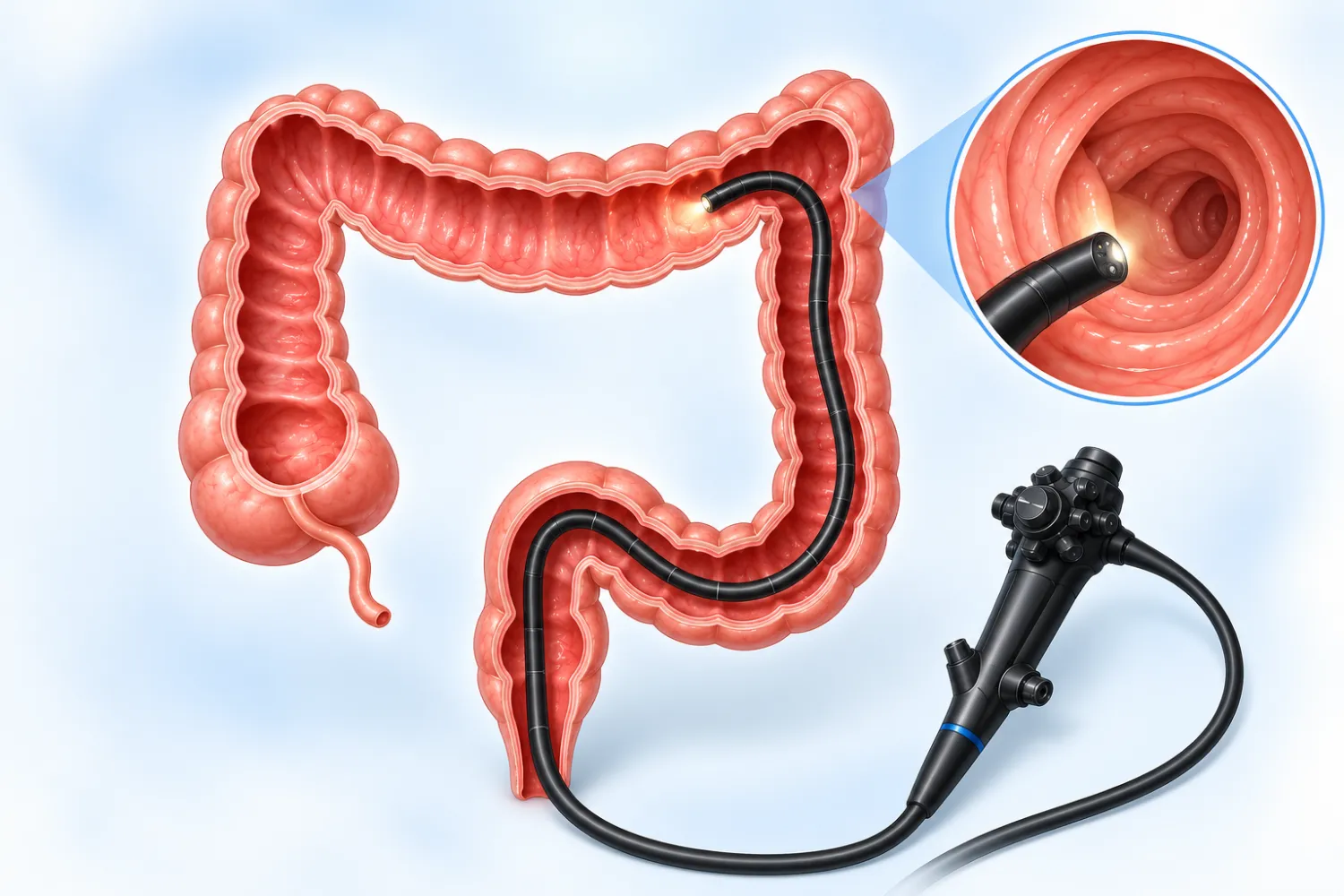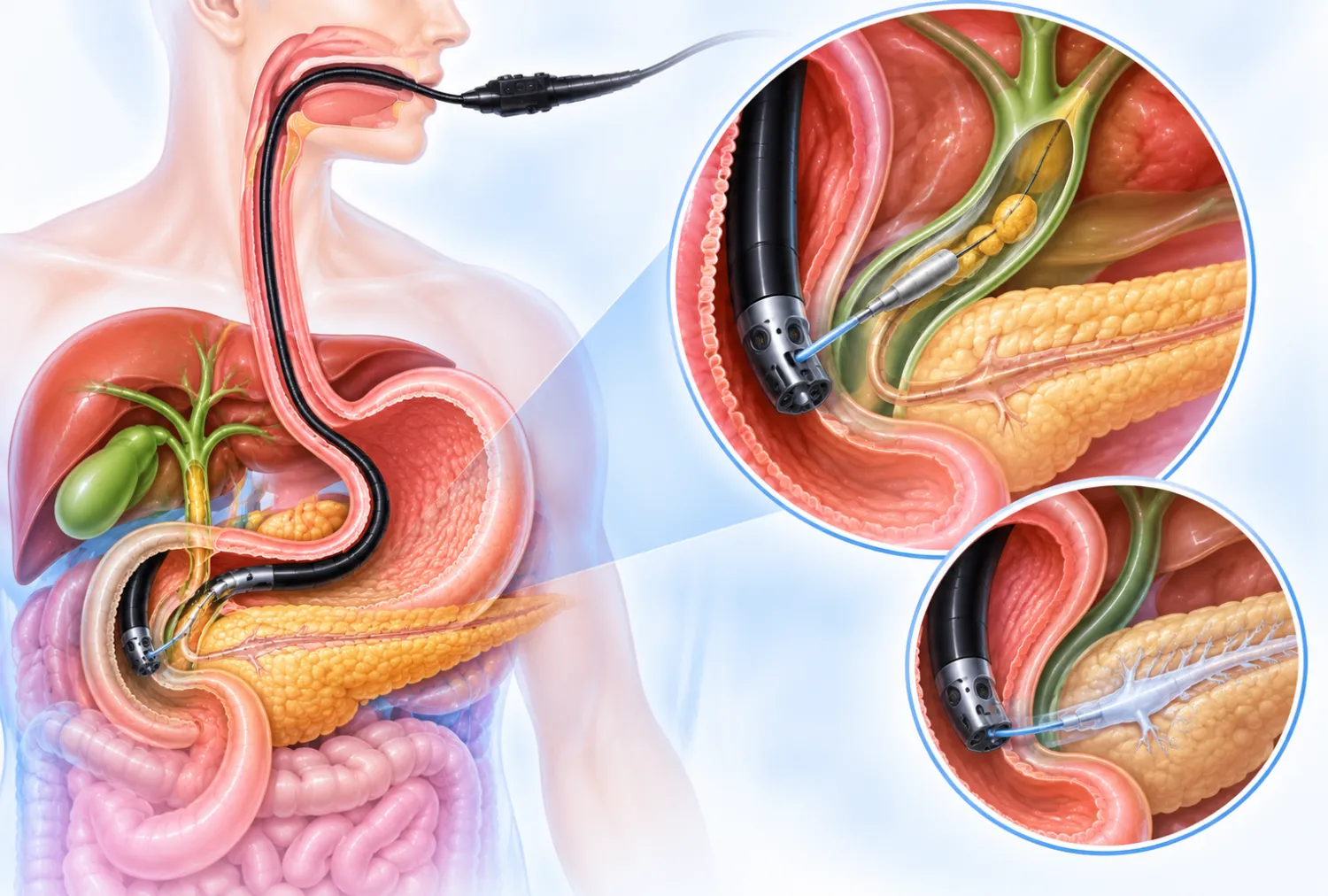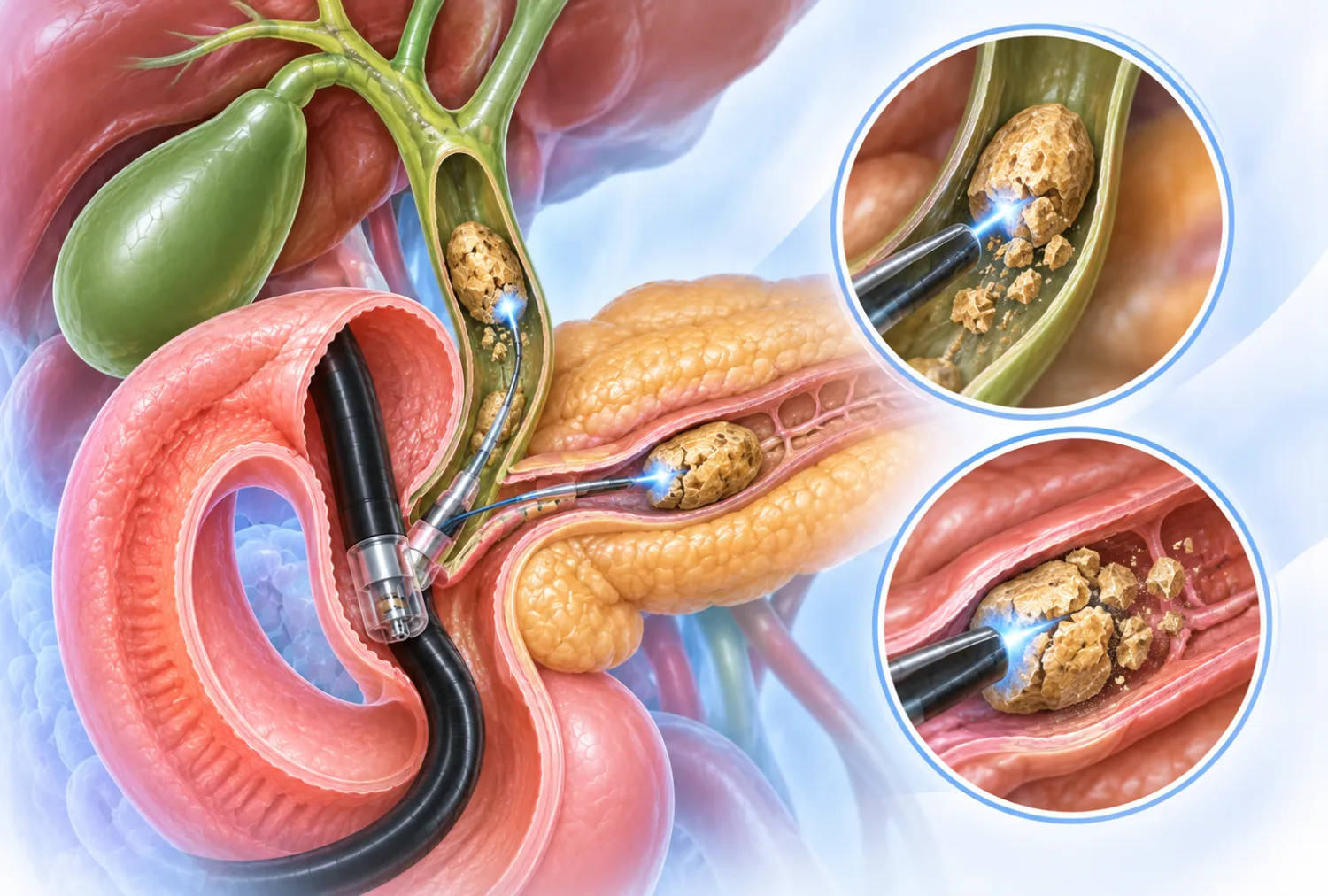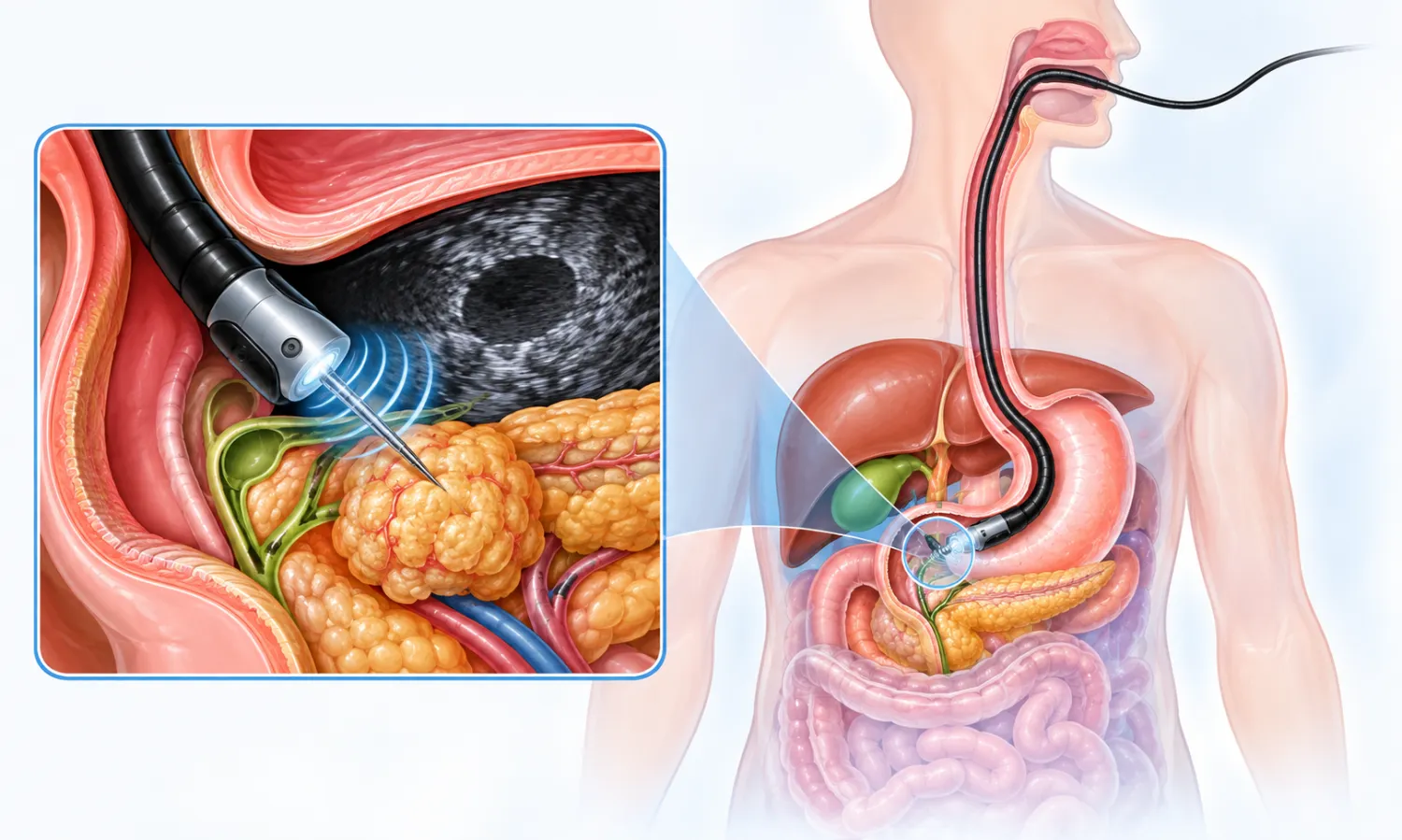
Endoscopic Ultrasound (EUS) is an advanced procedure that combines endoscopy with ultrasound imaging to examine the digestive tract wall and nearby organs, including the pancreas, bile ducts, gallbladder region and selected lymph nodes.
Dr. Ram Chandra Soni, Chairman – Gastroenterology & Hepatology at Accord Superspeciality Hospital, Faridabad, evaluates digestive and pancreatic conditions that may require advanced investigations such as EUS.
EUS can help investigate unexplained abnormalities, assess pancreatic lesions and guide tissue sampling when clinically indicated. It is recommended only when the findings are likely to help clarify a diagnosis or guide treatment.
EUS may be recommended to evaluate:
The need for EUS depends on symptoms, previous investigations and the suspected condition. It is not routinely required for every patient with abdominal pain or gallstones.
When additional diagnostic information is needed, the specialist may perform fine-needle aspiration (FNA) or fine-needle biopsy (FNB) through the endoscope under ultrasound guidance.
The sample is sent for laboratory examination. This can help evaluate selected pancreatic lesions, suspicious lymph nodes and other abnormalities. Not every EUS examination requires a biopsy, and results must be interpreted alongside clinical findings and imaging.
| Test | Main purpose |
|---|---|
| EUS | Detailed imaging of deeper digestive tissues and nearby organs; selected tissue sampling |
| Conventional endoscopy | Examines the inner lining of the upper digestive tract |
| Abdominal ultrasound | Initial assessment of organs such as the liver and gallbladder |
| CT scan | Cross-sectional imaging of abdominal organs and abnormalities |
| MRI/MRCP | Detailed imaging of organs and bile or pancreatic ducts without an endoscope entering the ducts |
| ERCP | Primarily treats selected bile and pancreatic duct problems, such as stones or obstruction |
The appropriate investigation depends on the clinical question. EUS provides detailed imaging and can guide biopsy, while ERCP is generally reserved for situations where endoscopic treatment may be required.
EUS is commonly performed with sedation or anaesthesia.
Follow your doctor’s instructions about blood thinners, diabetes medicines and other regular medications. Do not stop medicines without medical advice.
Many patients return home the same day after observation, although recovery depends on the procedure and the patient’s condition. Temporary throat discomfort or bloating may occur.
Possible complications include sedation-related problems, bleeding, infection, perforation and, in selected procedures, pancreatitis. Seek urgent medical attention for severe abdominal pain, persistent vomiting, fever, bleeding or difficulty breathing after the procedure.
EUS findings may help determine whether you need follow-up imaging, tissue analysis, further investigations or treatment. For example, a suspected bile duct stone may require consideration of ERCP, while a pancreatic lesion may need biopsy or monitoring.
An abnormal finding does not automatically mean cancer or the need for surgery. Further decisions depend on the complete clinical picture.
Consult a gastroenterologist if you have an unexplained pancreatic lesion, suspected bile duct abnormality or digestive tract lesion requiring further assessment.
Dr. Ram Chandra Soni
Chairman – Gastroenterology & Hepatology
Accord Superspeciality Hospital, Faridabad
Appointment: +91 98114 46141
Hospital: Sector 86, Greater Faridabad
Clinic: SCO No. 91, Sector 17, near Indian Bank, HUDA Market, Faridabad
Visit the official website for appointment information.
EUS provides detailed images of the digestive tract wall and nearby organs, particularly the pancreas and bile ducts. It can also guide tissue sampling when required.
It is commonly performed with sedation or anaesthesia. Mild throat discomfort or bloating may occur afterwards.
Conventional endoscopy examines the digestive tract lining, whereas EUS also uses ultrasound to examine deeper tissues and nearby organs.
EUS can help assess pancreatic lesions and guide biopsy when indicated. Diagnosis may require laboratory results and additional investigations.
Each test serves a different purpose. EUS offers close-up imaging and selected tissue sampling, while CT and MRI provide broader cross-sectional views.
No. Biopsy is performed only when the specialist believes tissue sampling will provide useful diagnostic information.
Possible risks include sedation-related complications, bleeding, infection, perforation and, in selected cases, pancreatitis.
Many patients go home the same day after observation. Follow your discharge instructions and seek urgent care for severe pain, fever, persistent vomiting or bleeding.
for Endoscopic Ultrasound
From endoscopy and colonoscopy to FibroScan, ERCP and advanced gastrointestinal procedures, we offer expert diagnosis and personalized treatment for a wide range of digestive disorders.
Experience personalized medical attention and compassionate care. Book your appointment today and take the first step toward better health.
© 2026. Dr. Rama Chandra Soni.All rights Reserved.
Built By: Shivafeb17 | Codenbrand
 WhatsApp Us