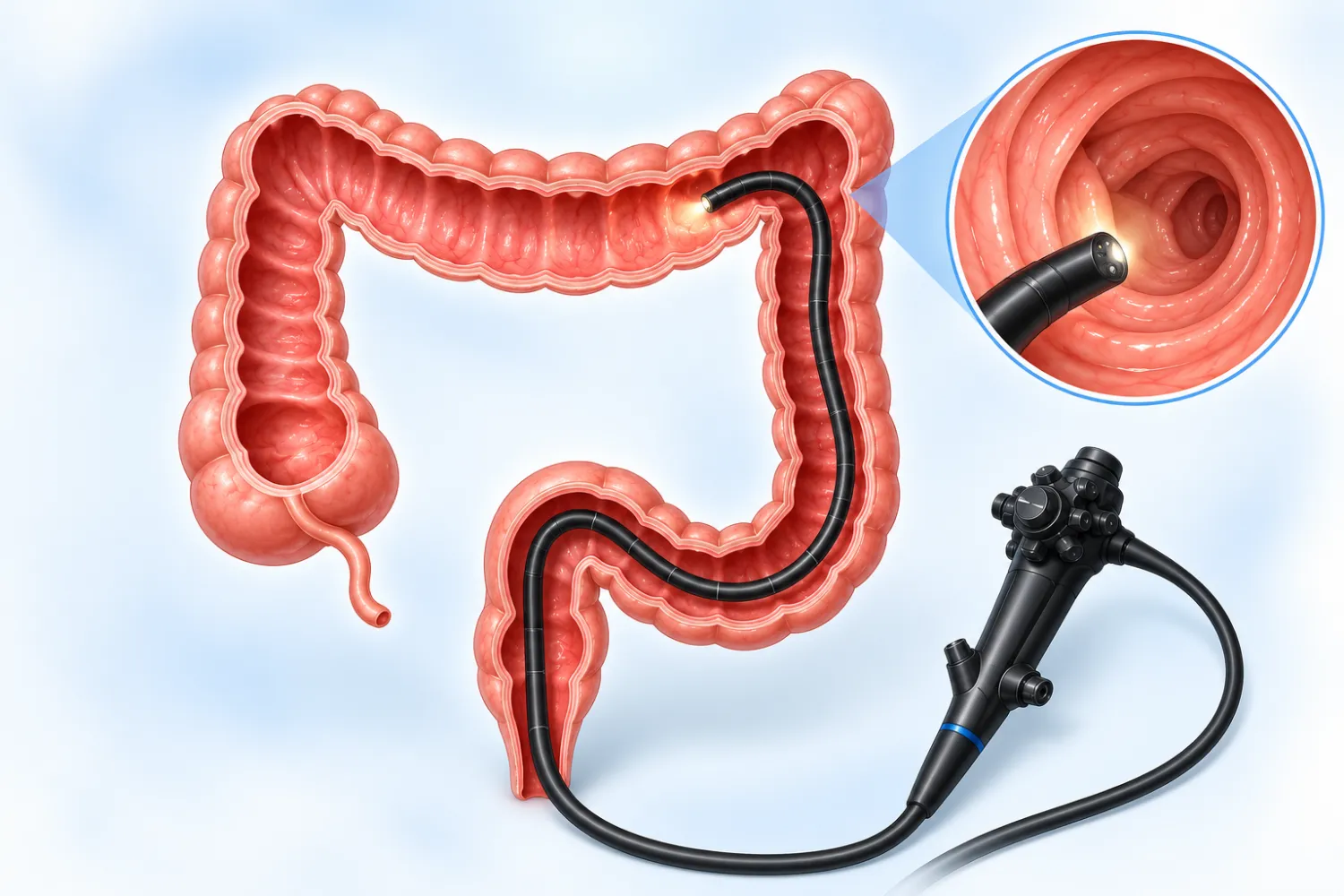
Persistent changes in bowel habits, rectal bleeding, unexplained iron-deficiency anaemia, or ongoing digestive symptoms may require further investigation. Colonoscopy in Faridabad allows a gastroenterologist to examine the inner lining of the colon and rectum, identify abnormalities, collect tissue samples, and remove suitable polyps when necessary.
Dr. Ram Chandra Soni, MBBS, MD (Medicine), DM (Gastroenterology), is Chairman – Gastroenterology & Hepatology at Accord Superspeciality Hospital, Faridabad. His practice includes diagnostic and therapeutic colonoscopy for the evaluation of digestive disorders.
A colonoscopy is recommended according to a patient’s symptoms, medical history, family history, and individual risk factors. Not everyone with digestive complaints requires this procedure.
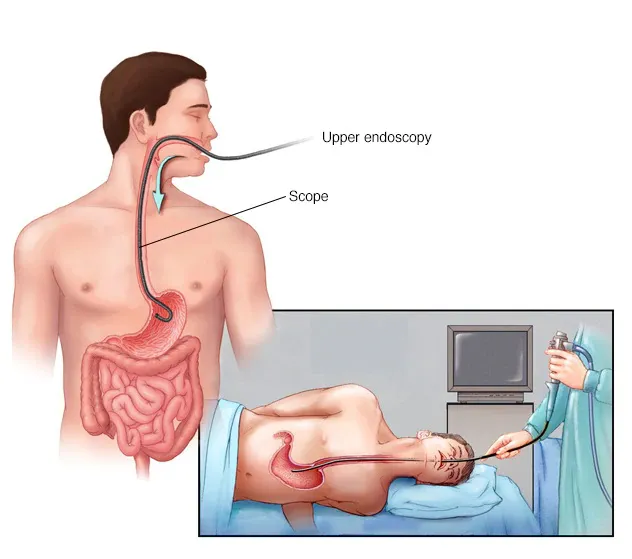
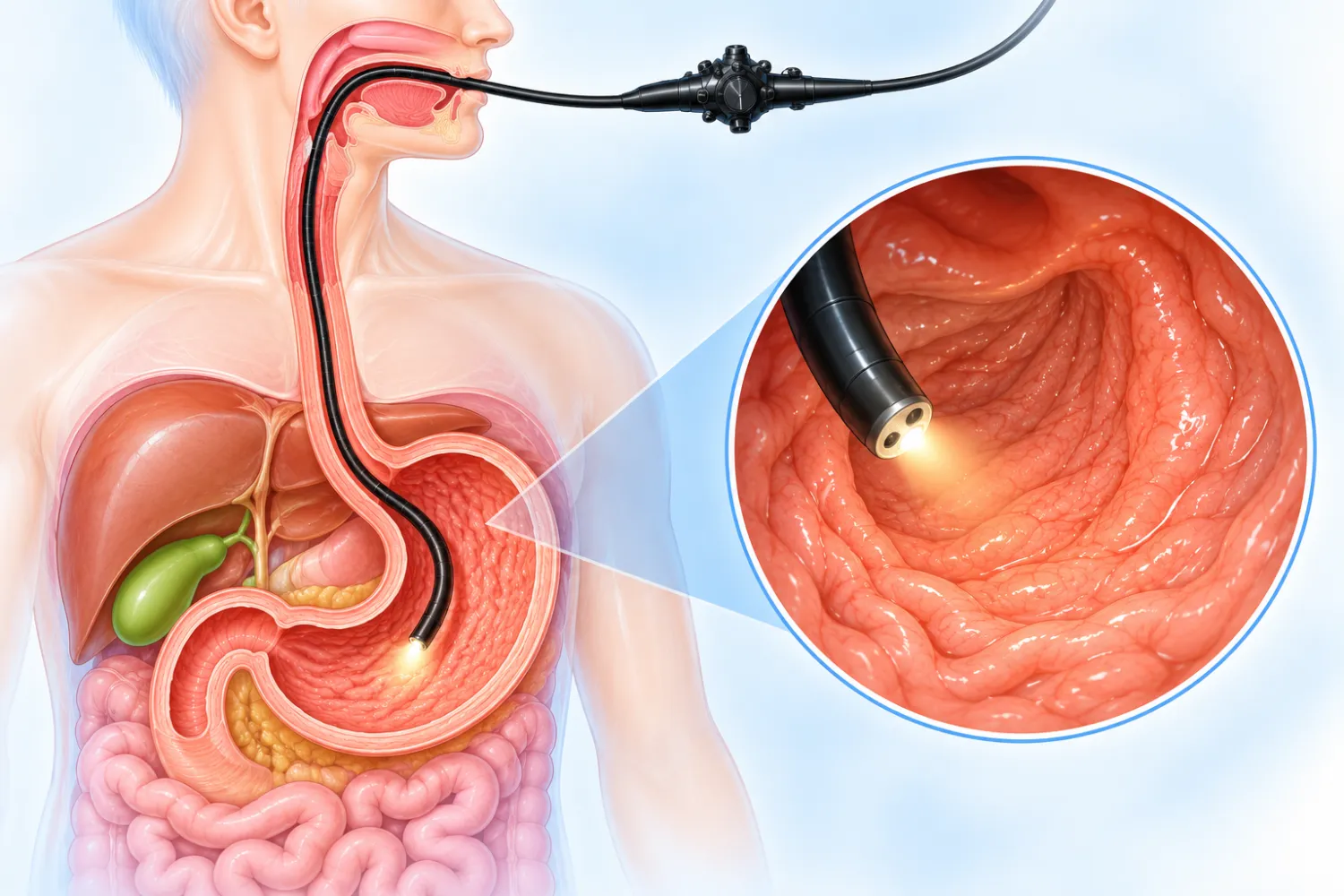
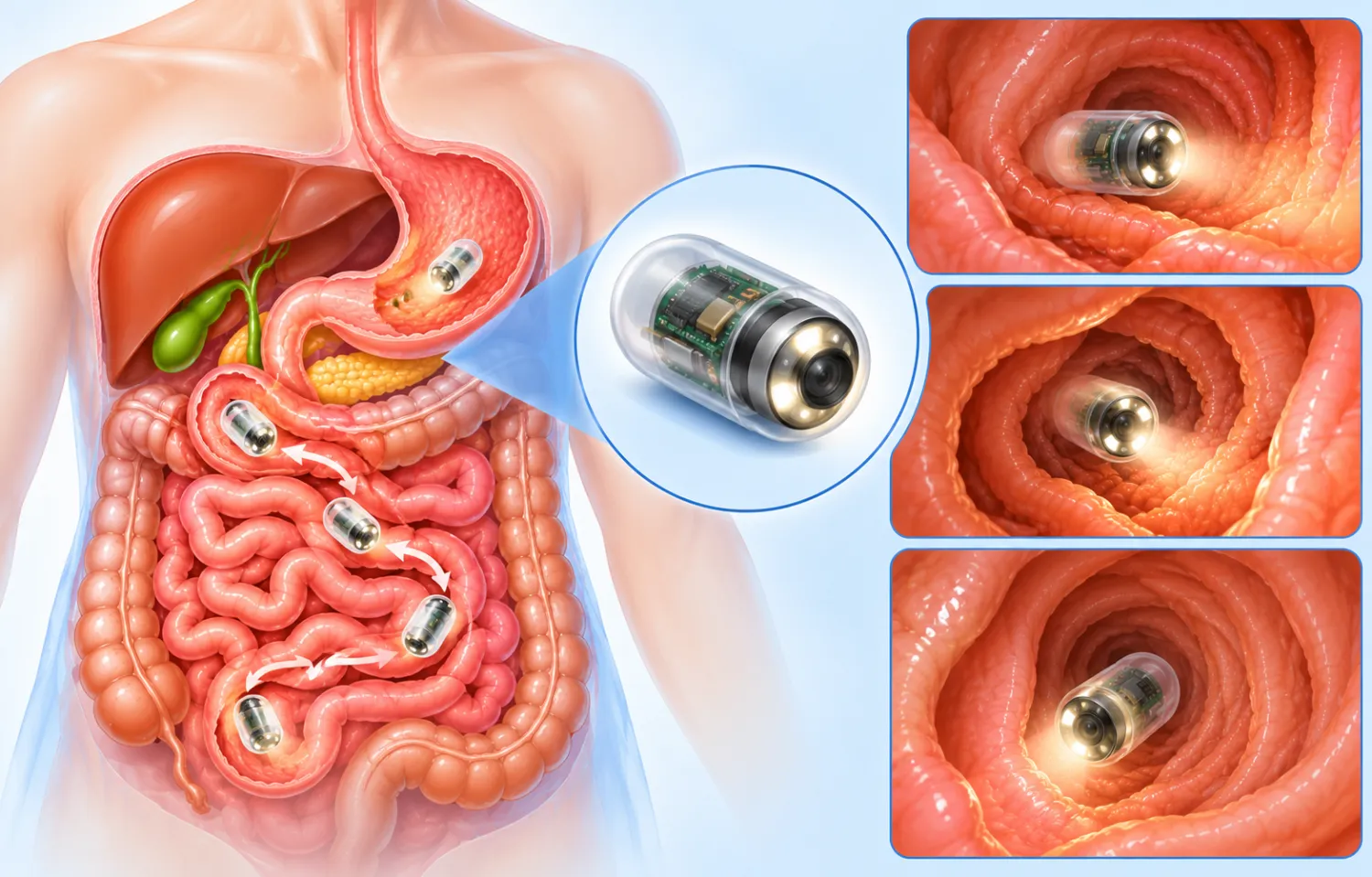
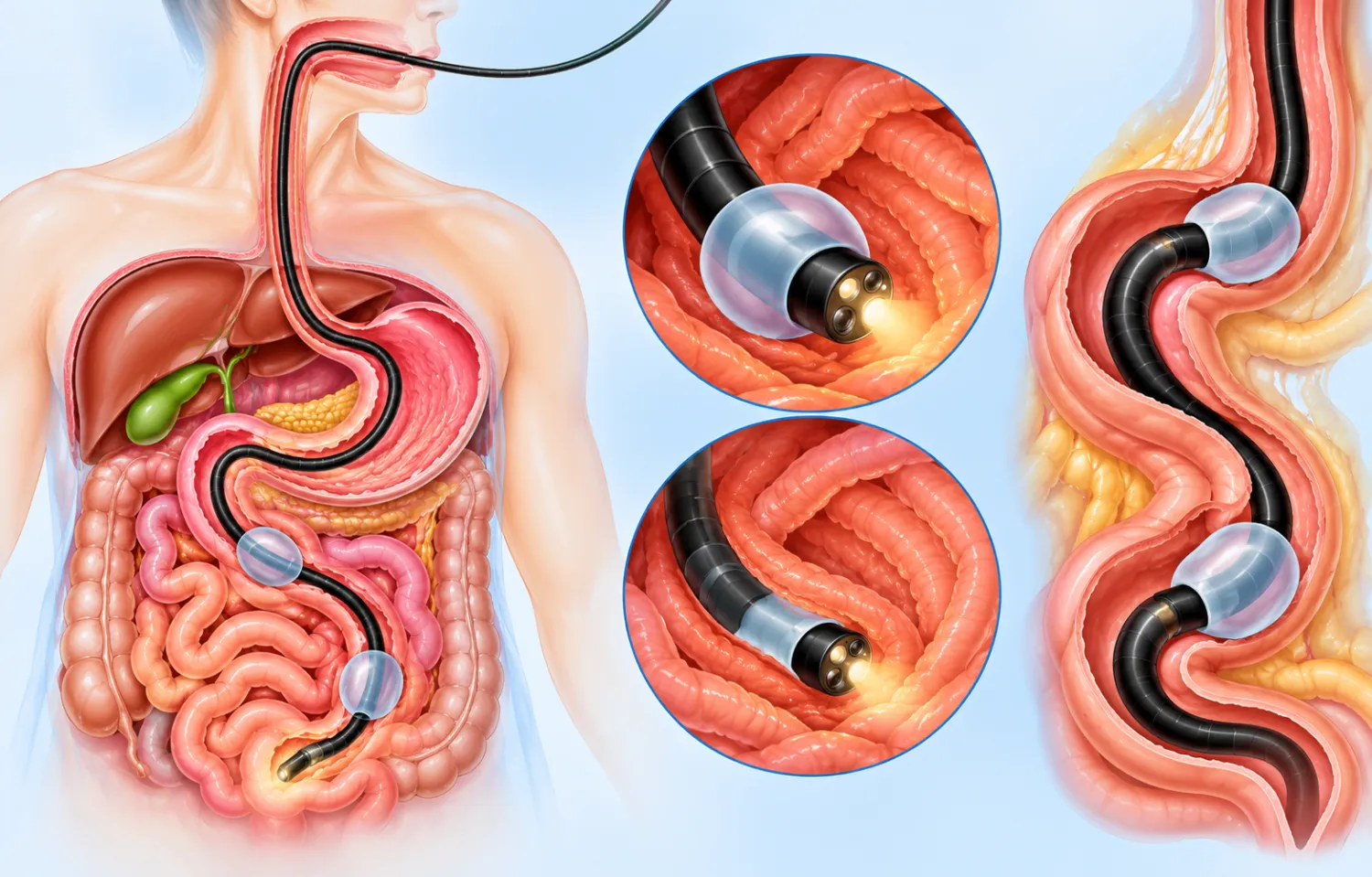
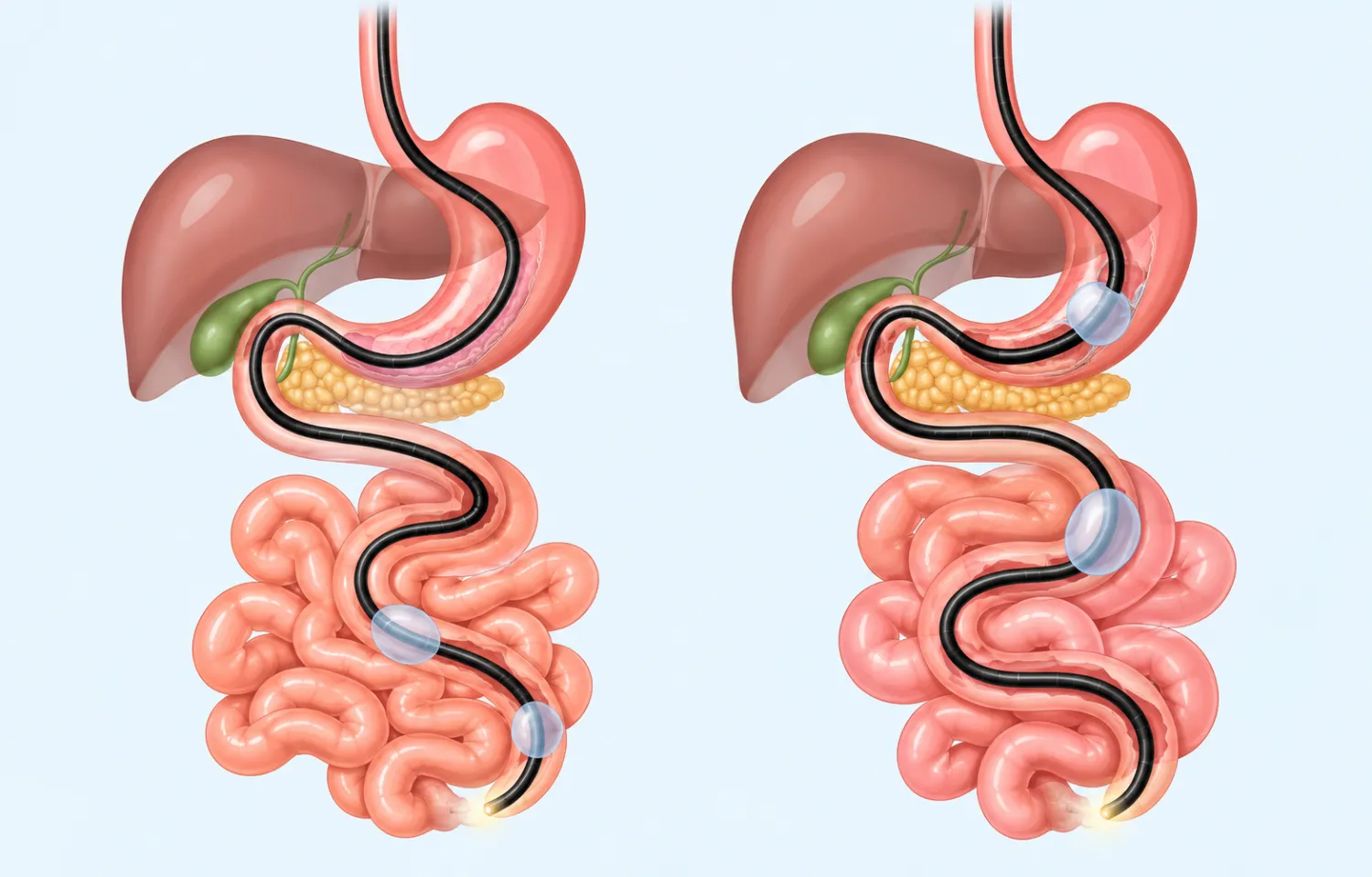
Colonoscopy is an endoscopic procedure that uses a thin, flexible tube equipped with a camera and light. The gastroenterologist gently inserts the colonoscope through the rectum to examine the lining of the rectum and colon (large intestine).
The procedure can help detect:
If necessary, the doctor can collect small tissue samples for laboratory examination or remove suitable polyps during the same procedure.
A gastroenterologist may recommend colonoscopy for several reasons.
Blood in or on the stool can result from haemorrhoids, anal fissures, inflammation, polyps, or other conditions. Colonoscopy may be recommended to investigate the source when clinically appropriate.
Ongoing diarrhoea, constipation, or a noticeable change in bowel frequency or stool pattern may require evaluation, especially when accompanied by abdominal pain, weight loss, or bleeding.
Iron-deficiency anaemia can sometimes develop because of slow blood loss from the gastrointestinal tract. Depending on the patient’s circumstances, colonoscopy may help identify a possible source.
Conditions such as ulcerative colitis and Crohn’s disease can cause diarrhoea, abdominal discomfort, bleeding, and inflammation. Colonoscopy with biopsy may help establish a diagnosis or assess disease activity.
Colonoscopy can identify colorectal polyps and suspicious lesions before symptoms develop. It may be recommended for screening according to age, personal and family history, and other risk factors.
Patients with previous polyps, colorectal cancer, or certain inflammatory bowel conditions may require surveillance at intervals determined by their clinical history and previous findings.
There is no single screening schedule suitable for everyone. Discuss the appropriate starting age and testing interval with your doctor.
Good bowel preparation is essential because stool remaining in the colon can hide polyps and other abnormalities.
Follow the preparation instructions provided by your endoscopy team. Inadequate bowel preparation may require the examination to be repeated.
Colonoscopy is usually performed in a hospital or endoscopy unit.
The examination commonly takes around 20–45 minutes, although the duration varies depending on bowel preparation, anatomy, findings, and any treatment performed. Your total visit will take longer.
A biopsy involves collecting a small tissue sample for laboratory examination. It may be recommended when the doctor identifies inflammation, an abnormal area, or features requiring further investigation.
Polypectomy is the removal of a colon polyp using instruments passed through the colonoscope. Many suitable polyps can be removed during colonoscopy, potentially preventing some from progressing to colorectal cancer.
Not every polyp can be removed during the initial procedure. Larger or more complex lesions may require specialised treatment or referral.
Learn more about Colonic Polyps and Colorectal Cancer.
Mild bloating, gas, or temporary abdominal discomfort may occur after colonoscopy and usually improves as the gas passes.
If sedation was used, you will generally need someone to take you home. Avoid driving, alcohol, operating machinery, and activities requiring full alertness for the period advised by your care team, commonly the remainder of the day.
Your doctor may explain the initial findings before discharge. Biopsy and polyp analysis results take longer and may require a follow-up appointment.
Colonoscopy is generally safe, but potential complications include bleeding, reactions to sedation, and, rarely, perforation of the bowel. Bleeding risk may be higher after polyp removal.
Seek urgent medical attention if you develop severe or worsening abdominal pain, heavy rectal bleeding, fever with significant pain, persistent vomiting, or dizziness or fainting after the procedure.
Screening colonoscopy is performed in people without symptoms to assess colorectal cancer risk and detect precancerous polyps when screening is appropriate.
Diagnostic colonoscopy investigates symptoms or abnormal test results, such as rectal bleeding, persistent bowel habit changes, unexplained anaemia, or suspected intestinal inflammation.
Surveillance colonoscopy monitors patients with a relevant history, such as previous polyps or certain forms of inflammatory bowel disease.
The timing and need for colonoscopy depend on individual risk factors and clinical findings. Your gastroenterologist can help determine the most suitable approach.
For a comparison of upper GI endoscopy and colonoscopy, read Endoscopy and Colonoscopy in Faridabad: What a Gastroenterologist Can Diagnose.
Learn more about Dr. Ram Chandra Soni.
If you have rectal bleeding, persistent bowel changes, unexplained iron-deficiency anaemia, or have been advised to undergo colorectal cancer screening, consult a gastroenterologist to discuss your options.
Appointment: +91 98114 46141 | 24×7 Emergency: +91 88005 01960
Hospital: Accord Superspeciality Hospital, Sector 86, Greater Faridabad
Clinic: SCO 91, Sector 17, near Indian Bank, HUDA Market, Faridabad
Website: www.drramchandrasoni.in
Some patients experience pressure, bloating, or cramping. Sedation may be offered to improve comfort. Your experience depends on the procedure and the approach used by your care team.
Preparation generally involves dietary changes, bowel-cleansing medication, and fasting instructions. Follow your doctor’s directions carefully to help ensure a clear examination.
The examination often takes around 20–45 minutes. Preparation, recovery, and additional procedures may increase the total time at the facility.
Yes. Many suitable polyps can be removed during the procedure. Larger or more complex polyps may require specialised treatment.
Many patients can resume eating once the care team confirms it is safe. Follow any specific dietary instructions, particularly if a therapeutic procedure was performed.
No. It can also investigate rectal bleeding, persistent bowel changes, suspected inflammatory bowel disease, anaemia, and other colon conditions.
The appropriate starting age depends on the screening guidelines followed, family history, personal medical history, and other risk factors. People at increased risk may need earlier or more frequent assessment. Ask your doctor for an individualised screening plan.
Severe abdominal pain, heavy rectal bleeding, fever with significant pain, persistent vomiting, or fainting require urgent medical assessment.
for Colonoscopy
From endoscopy and colonoscopy to FibroScan, ERCP and advanced gastrointestinal procedures, we offer expert diagnosis and personalized treatment for a wide range of digestive disorders.
Experience personalized medical attention and compassionate care. Book your appointment today and take the first step toward better health.
© 2026. Dr. Rama Chandra Soni.All rights Reserved.
Built By: Shivafeb17 | Codenbrand
 WhatsApp Us