

Colonic polyps are small growths that develop on the inner lining of the large intestine (colon or rectum). Most are not cancerous, but certain types can develop into colorectal cancer over time. Detecting and removing suitable polyps during a colonoscopy can help prevent some colorectal cancers.
Dr. Ram Chandra Soni, MBBS, MD (Medicine), DM (Gastroenterology), is Chairman of Gastroenterology & Hepatology at Accord Superspeciality Hospital, Faridabad. He provides evaluation and endoscopic care for digestive conditions, including colonic polyps and colorectal disorders.
What Are Colonic Polyps?
Colonic polyps are abnormal tissue growths that form on the inner surface of the colon or rectum. They may be flat, slightly raised or attached by a narrow stalk. Many cause no symptoms and are discovered during screening or investigation for another condition.
Not all polyps are precancerous. Their significance depends on their type, size, number and microscopic features.
Common Types of Colonic Polyps
- Adenomatous polyps (adenomas): These are precancerous growths. Some can develop into cancer over time, although many never do.
- Serrated polyps: Certain types, particularly sessile serrated lesions, may also become cancerous. Their importance depends on their size, location and pathology.
- Hyperplastic polyps: These are often small and carry a low risk of cancer, particularly when found in the lower colon or rectum. Larger or differently located lesions may require closer assessment.
- Inflammatory polyps: These can occur with certain inflammatory bowel conditions and are not necessarily precancerous themselves. The underlying disease may influence cancer risk.
The pathology report helps determine the type of polyp and whether further treatment or surveillance is needed.
How Can Polyps Develop Into Colorectal Cancer?
Some precancerous polyps accumulate cellular changes over time that may eventually lead to cancer. This process is not inevitable, and the rate of change varies.
Colorectal cancer develops when abnormal cells grow uncontrollably in the colon or rectum. Colonoscopy can help identify suspicious growths, remove many polyps and obtain tissue for laboratory examination.
Early detection matters because colorectal polyps and early-stage colorectal cancer may cause no noticeable symptoms.
Symptoms and Warning Signs
Many polyps are symptom-free. When symptoms occur, they may include:
- Blood in or on the stool, or rectal bleeding.
- A persistent change in bowel habits, such as diarrhoea, constipation or narrower stools.
- Unexplained iron-deficiency anaemia, which may result from slow blood loss.
- Persistent abdominal discomfort or cramping.
- Unexplained weight loss or ongoing fatigue.
These symptoms can have several causes and do not automatically mean cancer. However, rectal bleeding, unexplained anaemia or persistent bowel changes should be medically assessed rather than assumed to be haemorrhoids or a minor digestive problem.
Severe bleeding, fainting or significant worsening abdominal pain requires urgent medical attention.
Risk Factors, Screening and Surveillance
Factors that may increase colorectal cancer risk include:
- Increasing age.
- A personal history of colorectal polyps or colorectal cancer.
- A close family history of colorectal cancer or advanced polyps.
- Certain inherited conditions, such as Lynch syndrome or familial adenomatous polyposis.
- Inflammatory bowel disease involving the colon.
- Smoking, heavy alcohol use, obesity, physical inactivity and dietary patterns associated with higher risk.
When Should You Consider Screening?
Screening recommendations vary between countries and clinical guidelines. The appropriate starting age and test depend on local guidance, personal history and family risk. People with symptoms require diagnostic evaluation rather than simply waiting until a routine screening age.
Colonoscopy is one screening option and may also be recommended after an abnormal stool-based screening test. Other tests can be appropriate in some settings, but a positive result may require colonoscopy.
What Is Surveillance After Polyp Removal?
Surveillance means having another colonoscopy after a polyp has been removed. The recommended interval depends on factors such as:
- The number, size and type of polyps.
- Whether any high-grade or advanced changes were found.
- Whether removal was complete.
- The quality and completeness of the colonoscopy.
- Personal and family medical history.
There is no single follow-up interval suitable for everyone. Patients should follow the recommendation based on their colonoscopy and pathology reports.
How Does Colonoscopy Help Detect and Remove Polyps?
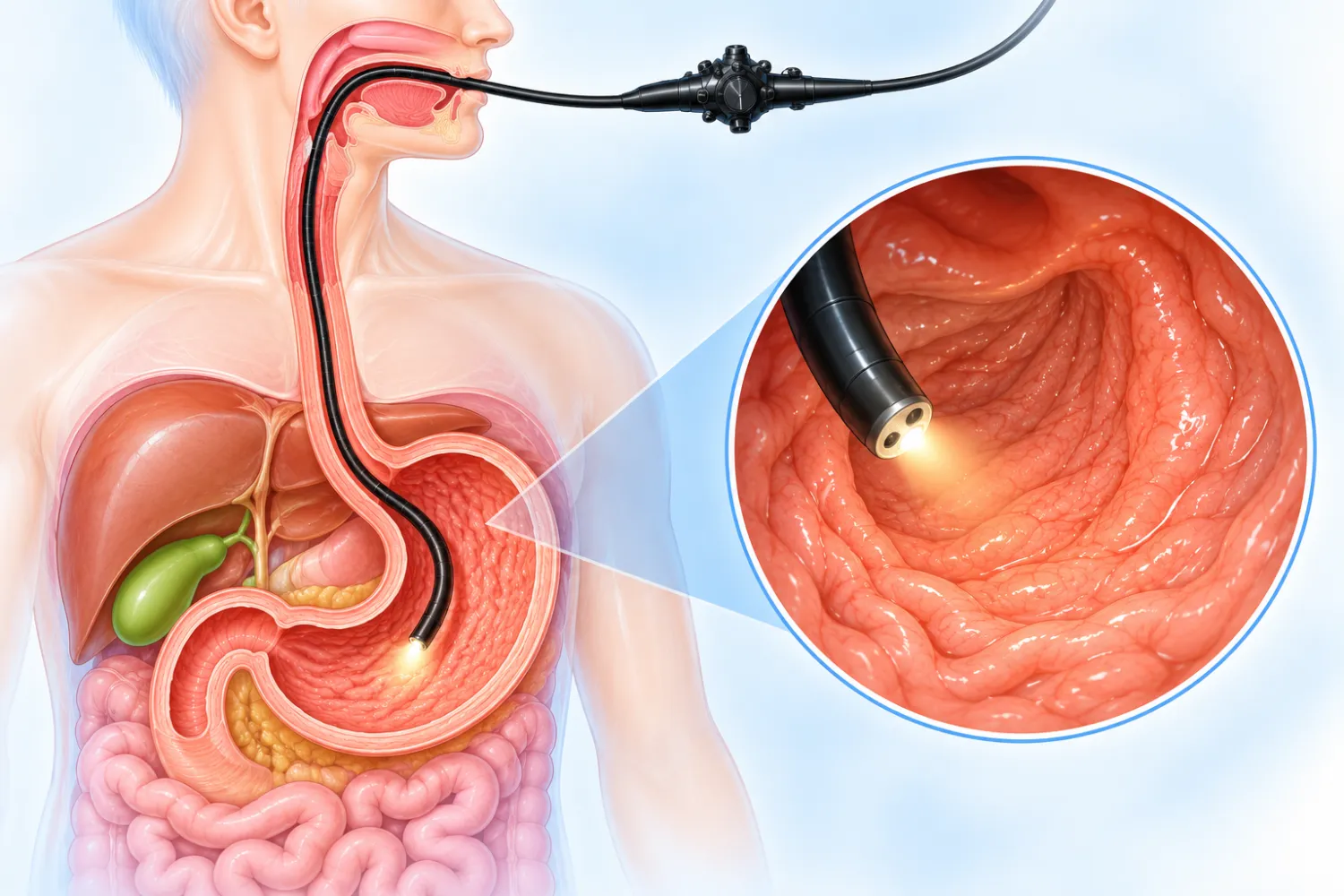
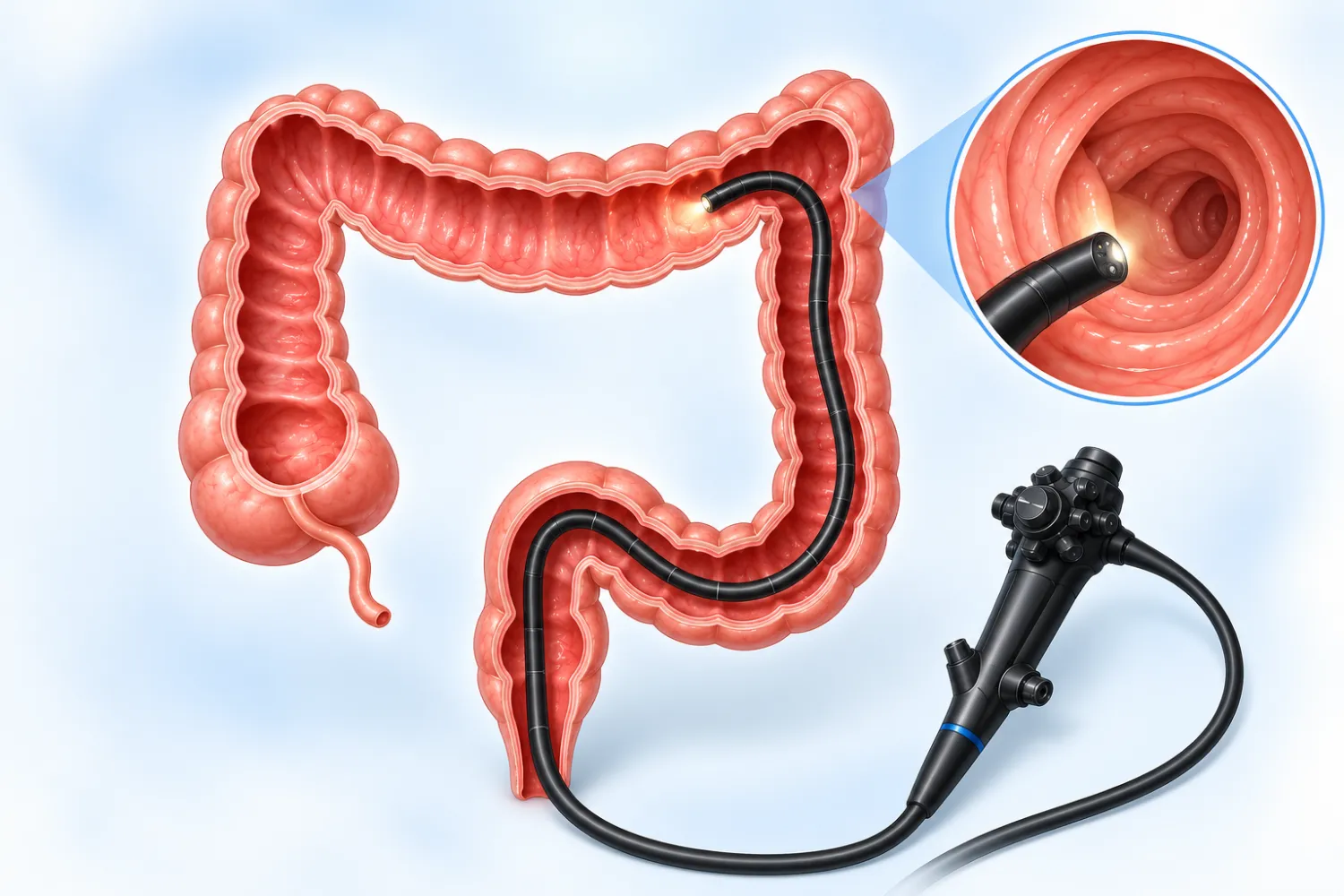
Colonoscopy uses a flexible tube with a camera to examine the lining of the colon and rectum. It can identify polyps, suspicious lesions, inflammation and other causes of bowel symptoms.
Many polyps can be removed during the same procedure using specialised instruments. Depending on their size, shape and location, removal may involve a snare or another endoscopic technique. Larger or complex lesions may require advanced endoscopic treatment or referral to a specialist centre.
What Happens Before a Colonoscopy?
Preparation usually involves a prescribed bowel-cleansing solution and dietary instructions to clear stool from the colon. Patients must follow the preparation plan carefully because inadequate cleansing can make it harder to detect small or flat lesions.
Tell the treating team about your medicines, allergies, medical conditions and any blood-thinning or diabetes medicines. Do not change prescribed medication without medical guidance.
Biopsy and Pathology Results
Removed polyps or tissue samples are generally sent to a laboratory for pathology. The report may identify a benign polyp, a precancerous lesion or cancerous changes.
The result guides the next step. Some patients need only routine surveillance, while others may require an earlier repeat procedure, additional investigations or referral for specialist cancer care.
Recovery and Follow-Up
After colonoscopy, patients may experience temporary bloating or mild cramping. If a polyp has been removed, the team will explain activity restrictions, medication guidance and when to expect the pathology report.
Severe abdominal pain, fever, heavy rectal bleeding, dizziness or other concerning symptoms after the procedure require prompt medical assessment.
When Is Surgery or Oncology Referral Needed?
Many polyps can be removed endoscopically. Surgery may be needed when a lesion is too large or complex for safe endoscopic removal, cannot be completely removed, or has features that require surgical treatment.
If pathology confirms colorectal cancer, further assessment may include imaging, additional tests and referral to a colorectal surgeon and oncology team. Treatment depends on the cancer’s location, stage, pathology and the patient’s overall health. Options may include surgery, chemotherapy, radiotherapy or other treatments, depending on the individual case.
A diagnosis of a polyp does not automatically mean that surgery or cancer treatment is necessary.
Why Choose Dr. Ram Chandra Soni?
Dr. Ram Chandra Soni is a gastroenterologist with MBBS, MD (Medicine) and DM (Gastroenterology) qualifications. He serves as Chairman of Gastroenterology & Hepatology at Accord Superspeciality Hospital, Faridabad.
His official profile describes experience in colonoscopy and other diagnostic and therapeutic endoscopic procedures.
Patients can consult him for assessment of bowel symptoms, discussion of colonoscopy, evaluation of polyp findings and guidance on appropriate follow-up. When pathology or clinical findings indicate a need for surgery or oncology care, coordinated specialist referral may be required.
Frequently Asked Questions
1. Are all colonic polyps cancerous?
No. Many polyps are benign, and only certain types have precancerous potential. Their risk depends on the type, size, number and pathology findings.
2. Can colonic polyps cause symptoms?
Many cause no symptoms. Some may cause rectal bleeding, anaemia or changes in bowel habits. Screening and colonoscopy can detect polyps even when a person feels well.
3. Can colonoscopy remove polyps?
Yes. Many polyps can be removed during colonoscopy. Large or complex lesions may require advanced endoscopic treatment or surgery.
4. Does removing a polyp prevent colorectal cancer?
Removing suitable precancerous polyps can reduce the risk of some colorectal cancers. However, no procedure eliminates all future risk, so follow-up depends on individual findings.
5. How often should I repeat colonoscopy after polyp removal?
The interval depends on the type, size and number of polyps, pathology results, completeness of removal and personal risk factors. Follow the interval recommended by your treating specialist.
6. Who needs colorectal cancer screening?
Screening depends on local guidelines, age, family history and personal medical history. People with warning symptoms or a strong family history may need earlier or different evaluation.
7. Does finding a polyp mean I need surgery?
Not necessarily. Many polyps can be removed endoscopically. Surgery may be considered for complex lesions, incomplete removal or findings that require further treatment.
8. When should I see a gastroenterologist?
Seek medical assessment for rectal bleeding, unexplained iron-deficiency anaemia, persistent bowel habit changes, unexplained weight loss or a significant family history of colorectal cancer or advanced polyps.
Book a Consultation in Faridabad
For evaluation of colonic polyps, colorectal symptoms or colonoscopy screening, consult Dr. Ram Chandra Soni to discuss the investigations and follow-up appropriate for your medical history.
Appointment: +91 98114 46141 | 24×7 Emergency: +91 88005 01960
Hospital: Accord Superspeciality Hospital, Sector 86, Greater Faridabad
Clinic: SCO 91, Sector 17, near Indian Bank, HUDA Market, Faridabad

 WhatsApp Us