

Some digestive conditions affect parts of the small intestine that are difficult to examine with conventional endoscopy. Capsule endoscopy is a specialised investigation that uses a small, swallowable camera to capture images of the digestive tract as it moves through the body.
Dr. Ram Chandra Soni, MBBS, MD (Medicine), DM (Gastroenterology), is Chairman of Gastroenterology & Hepatology at Accord Superspeciality Hospital, Faridabad. A gastroenterology consultation can help determine whether capsule endoscopy or another investigation is appropriate for your symptoms.
What Is Capsule Endoscopy?
Capsule endoscopy involves swallowing a capsule containing a miniature camera, light source and imaging technology. As it travels through the digestive tract, it captures images that are transmitted to a recording device.
It is particularly useful for examining the small intestine, which is not fully accessible through routine upper GI endoscopy or colonoscopy.
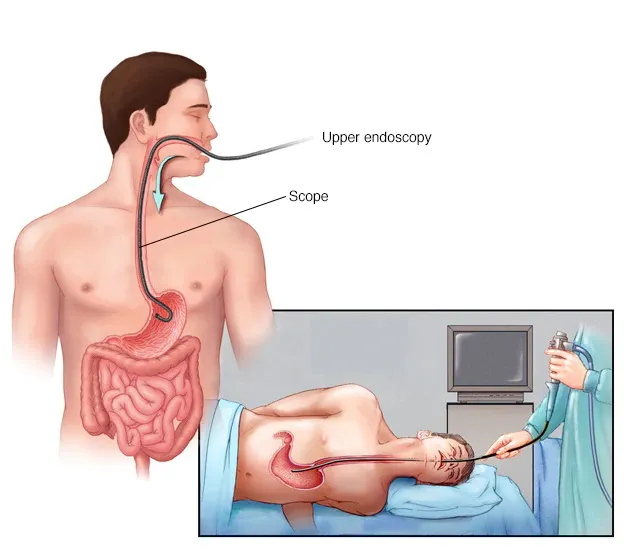
Unlike conventional endoscopy, capsule endoscopy does not allow the doctor to take a biopsy or remove a polyp during the examination.
When Is Capsule Endoscopy Recommended?
A specialist may consider capsule endoscopy in selected cases, including:
- Unexplained gastrointestinal bleeding after initial investigations.
- Iron-deficiency anaemia when the small intestine requires further evaluation.
- Suspected small intestinal inflammation, including selected cases of Crohn’s disease.
- Assessment of certain small intestinal abnormalities.
- Follow-up of specific conditions when capsule imaging is clinically appropriate.
It is not required for every patient with abdominal pain, bloating or altered bowel habits. The choice depends on previous test results and the suspected condition.
How Does Capsule Endoscopy Work?
The patient swallows the capsule according to the clinical team’s instructions. The camera records images as the capsule travels through the digestive tract. The recording is later reviewed by a trained clinician.
The capsule generally passes naturally in the stool. Patients should follow the instructions about eating, drinking, activity and when to return the recording equipment.
Preparation Before the Test
Preparation varies according to the clinical purpose and the capsule system. It may include dietary restrictions, fasting, bowel preparation and a review of medicines.
Tell your doctor if you have difficulty swallowing, a known intestinal narrowing, previous bowel obstruction or a history of relevant gastrointestinal surgery. In selected patients, additional assessment may be required because the capsule can become retained if the intestine is narrowed.
Benefits and Limitations
Capsule endoscopy can provide images of areas of the small intestine that are difficult to access with standard endoscopy. It does not require an endoscope to be passed through the mouth or colon.
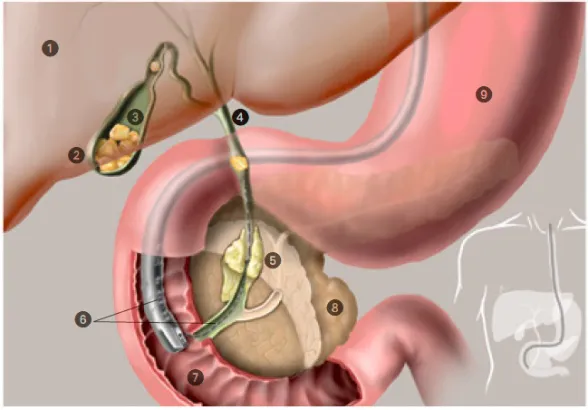
However, it cannot obtain tissue samples or treat abnormalities. If it identifies a lesion, further testing or an intervention such as enteroscopy may be required.
A key risk is capsule retention, particularly in patients with a narrowed intestine. The treating specialist will assess whether the test is appropriate and discuss relevant precautions.
Why Choose Dr. Ram Chandra Soni?
Dr. Ram Chandra Soni is a specialist in gastroenterology and hepatology at Accord Superspeciality Hospital, Faridabad. Consultation can help patients understand the possible causes of unexplained gastrointestinal bleeding, anaemia or suspected small intestinal disease and determine the most appropriate investigation.
The choice of capsule endoscopy, enteroscopy or another test depends on the patient’s symptoms, previous investigations and medical history.
Frequently Asked Questions
1. Is capsule endoscopy painful?
The capsule is swallowed and the procedure is generally non-invasive. Some patients may find swallowing it difficult.
2. What can capsule endoscopy detect?
It may help identify selected small intestinal abnormalities, including sources of bleeding and certain inflammatory changes.
3. Can the capsule take a biopsy?
No. It captures images but cannot collect tissue samples or perform treatment.
4. Does the capsule need to be removed?
It usually passes naturally in the stool. If it becomes retained, medical assessment and sometimes intervention may be necessary.
5. Is capsule endoscopy the same as colonoscopy?
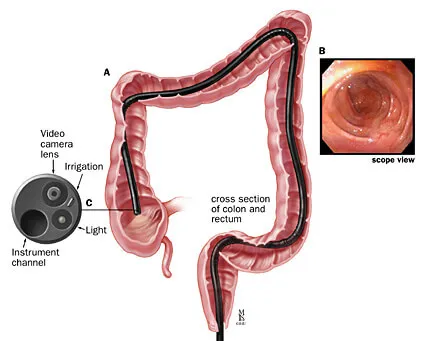
No. Colonoscopy examines the colon and allows biopsies and treatment. Capsule endoscopy primarily provides images and is often used to examine the small intestine.
6. Is capsule endoscopy suitable for everyone?
No. Intestinal narrowing, swallowing difficulties and other clinical factors may affect suitability.
7. Will I need another procedure after capsule endoscopy?
Possibly. If an abnormality is found, the doctor may recommend enteroscopy, biopsy, imaging or another treatment.
8. Is capsule endoscopy available with Dr. Ram Chandra Soni?
Please contact the clinic to confirm current availability and whether the investigation is appropriate for your case.
Consult Dr Ram Chandra Soni, Gastroenterologist in Faridabad
For unexplained gastrointestinal bleeding, iron-deficiency anaemia or suspected small intestinal disease, a specialist consultation can help determine the next step.
Appointment: +91 98114 46141 | 24×7 Emergency: +91 88005 01960
Hospital: Accord Superspeciality Hospital, Sector 86, Greater Faridabad
Clinic: SCO 91, Sector 17, near Indian Bank, HUDA Market, Faridabad


 WhatsApp Us