

The small intestine is a long part of the digestive tract that cannot be fully examined using routine upper GI endoscopy or colonoscopy. When a condition affecting this area requires closer investigation or treatment, a specialist may consider single balloon enteroscopy.
Dr. Ram Chandra Soni, MBBS, MD (Medicine), DM (Gastroenterology), is Chairman of Gastroenterology & Hepatology at Accord Superspeciality Hospital, Faridabad.
What Is Single Balloon Enteroscopy?
Single balloon enteroscopy is an advanced endoscopic technique designed to examine deeper sections of the small intestine. It uses a specialised endoscope and an overtube with a balloon system to help the endoscope advance through the intestine.
The technique may allow the specialist to examine areas that are difficult to reach with standard endoscopy. Depending on the findings and clinical circumstances, it may also allow tissue sampling or selected endoscopic treatments.
When May Single Balloon Enteroscopy Be Recommended?
A specialist may consider this procedure for selected patients with:
- Unexplained gastrointestinal bleeding.
- Iron-deficiency anaemia when a small intestinal source is suspected.
- Abnormal findings on capsule endoscopy or imaging.
- Suspected small intestinal inflammation, ulcers or lesions.
- Selected polyps or other abnormalities requiring biopsy or treatment.
- Certain small intestinal conditions requiring targeted endoscopic assessment.
It is not a routine test for every digestive complaint. The decision depends on symptoms, previous investigations and the likely benefit of reaching a particular area of the small intestine.
How Is the Procedure Performed?
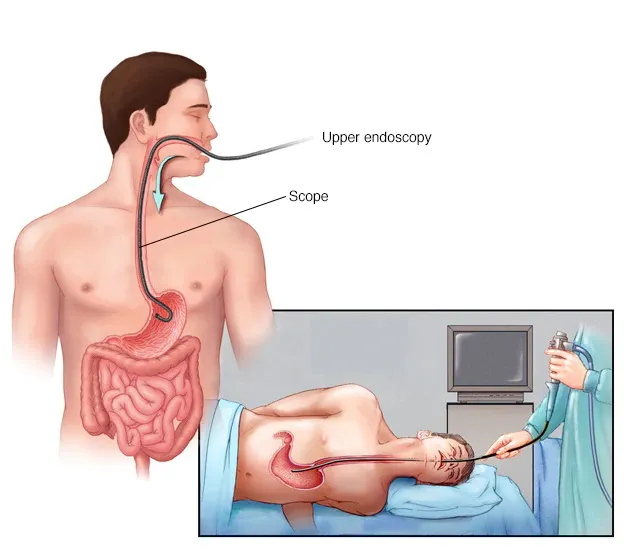
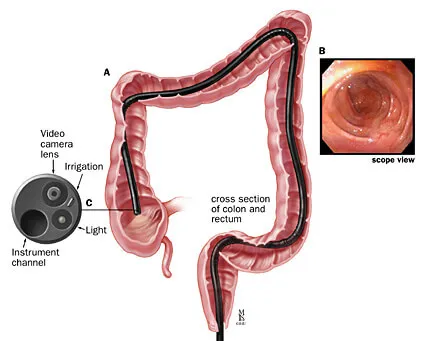
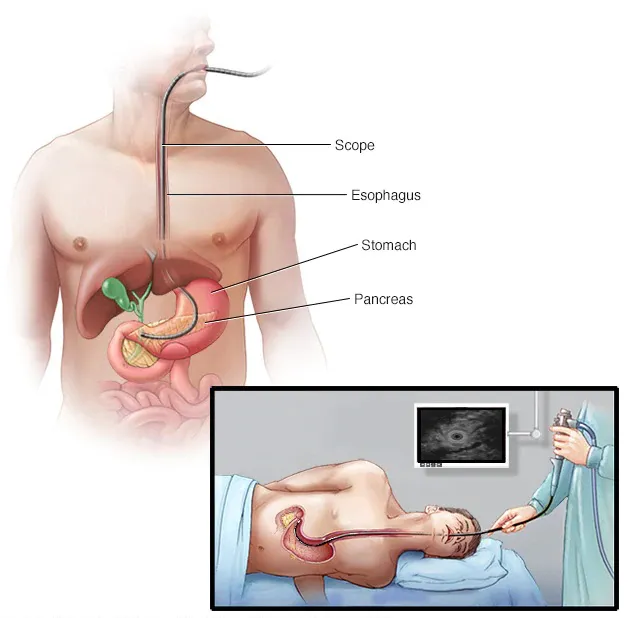
The procedure is performed using a specialised endoscope passed through the mouth or, in selected circumstances, through the anus. The route depends on the area that needs to be examined.
The balloon-assisted system helps the endoscopist advance through the small intestine in a controlled manner. If an abnormality is identified, the doctor may take a biopsy or perform a suitable intervention.
Sedation or anaesthesia is generally used according to the procedure and the patient’s clinical needs. The team will explain the intended approach before the examination.
Preparation and Recovery
Preparation depends on the route and purpose of the examination. It may involve fasting, bowel cleansing for selected approaches, medication review and assessment of medical conditions.
After the procedure, temporary bloating, throat discomfort or abdominal discomfort may occur. Recovery instructions depend on the procedure performed and whether treatment was required.
Potential complications include bleeding, pancreatitis in certain circumstances, perforation and sedation-related problems. The risks vary according to the route, intervention and individual health factors. Severe abdominal pain, fever, vomiting blood or significant bleeding after the procedure requires urgent medical attention.
Single Balloon Enteroscopy vs Capsule Endoscopy
Capsule endoscopy captures images as a camera capsule travels through the digestive tract. It cannot take biopsies or treat a lesion.
Single balloon enteroscopy uses an endoscope and can allow tissue sampling or selected treatments. It may be recommended after capsule endoscopy or imaging identifies an area that needs direct examination.
The procedures serve different purposes, and the most appropriate investigation depends on the clinical question.
Why Choose Dr. Ram Chandra Soni?
Dr. Ram Chandra Soni is a gastroenterologist with specialist qualifications in medicine and gastroenterology. He serves as Chairman of Gastroenterology & Hepatology at Accord Superspeciality Hospital, Faridabad.
Patients can consult him to discuss unexplained gastrointestinal bleeding, suspected small intestinal disease and the need for specialised investigations. The choice of enteroscopy or an alternative procedure should be based on clinical findings and confirmed service availability.
Frequently Asked Questions
1. What is single balloon enteroscopy used for?
It may be used to examine the small intestine, investigate unexplained bleeding and assess abnormalities found on other tests.
2. Can a biopsy be taken during single balloon enteroscopy?
Yes, when indicated. The endoscope can allow tissue sampling and certain treatments.
3. Is single balloon enteroscopy the same as routine endoscopy?
No. It uses a specialised balloon-assisted system to reach deeper sections of the small intestine.
4. Is the procedure performed through the mouth or anus?
The route depends on the area that needs to be examined and the clinical indication.
5. How should I prepare?
Preparation may involve fasting, medication review and, for selected approaches, bowel cleansing. Follow the specific instructions provided by the clinical team.
6. What are the potential risks?
Risks can include bleeding, perforation, sedation-related complications and other complications associated with the procedure or treatment performed.
7. Is single balloon enteroscopy always needed after capsule endoscopy?
No. It may be recommended when a finding needs direct examination, biopsy or treatment.
8. Is single balloon enteroscopy available in Faridabad with Dr. Soni?
Contact the clinic to confirm whether the procedure is currently available and whether referral to a specialised centre is appropriate.
Consultation in Faridabad
For unexplained gastrointestinal bleeding or suspected small intestinal abnormalities, consult a gastroenterologist to discuss appropriate investigations.
Appointment: +91 98114 46141 | 24×7 Emergency: +91 88005 01960
Hospital: Accord Superspeciality Hospital, Sector 86, Greater Faridabad
Clinic: SCO 91, Sector 17, near Indian Bank, HUDA Market, Faridabad

 WhatsApp Us