

What Is the SpyGlass Direct Visualisation System?
SpyGlass is a specialised single-operator cholangioscopy system used during selected endoscopic procedures. It allows a trained specialist to see inside the bile ducts directly and, in suitable cases, the pancreatic duct.
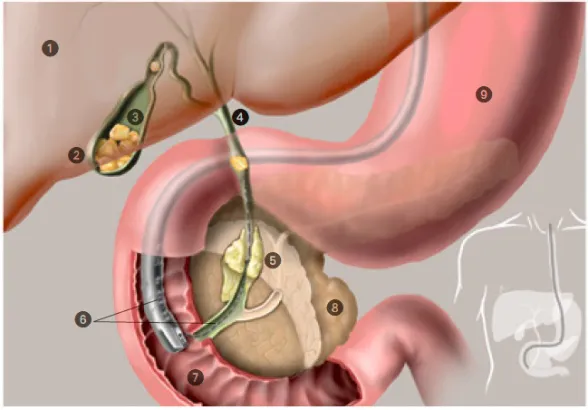
During ERCP, a thin visualisation catheter is guided through the endoscope into the duct. The camera provides a direct view of the duct and stone, helping the specialist assess its position and guide treatment.
SpyGlass-guided procedures may be considered when conventional imaging and stone-removal techniques do not provide sufficient information or have not achieved duct clearance.
The system can also help evaluate selected bile duct narrowings and guide targeted tissue sampling when clinically indicated. Its use requires appropriate equipment, training and procedural expertise.
What Are Common Bile Duct and Pancreatic Duct Stones?
Common bile duct (CBD) stones are stones within the duct that carries bile from the liver and gallbladder into the small intestine. They may cause abdominal pain, jaundice, bile duct obstruction, infection or pancreatitis.
Pancreatic duct (PD) stones are calcified deposits within the duct that carries digestive secretions from the pancreas. They can occur in some patients with chronic pancreatitis and may contribute to duct obstruction and pain.
Not every gallstone is a bile duct stone. Stones confined to the gallbladder may require a different treatment plan, and SpyGlass is not routinely needed for uncomplicated gallbladder stones.
Why Are Some Stones Difficult to Remove?
Many bile duct stones can be removed during conventional ERCP using a retrieval balloon or basket. Some stones, however, are more challenging because they are:
- Large: Their size makes extraction through the duct opening difficult.
- Impacted: They are firmly lodged and cannot be removed easily.
- Hard or irregularly shaped: They may resist conventional extraction techniques.
- Multiple: Several stones may complicate complete duct clearance.
- Associated with difficult anatomy: A narrowed, angulated or otherwise altered duct can make access and removal more challenging.
Pancreatic duct stones may also be difficult to treat because of their location, size, hardness, associated strictures or changes caused by chronic pancreatitis.
The specialist considers the stone characteristics, duct anatomy, infection risk and previous treatment attempts before deciding whether advanced techniques are warranted.
How Does SpyGlass-Guided Lithotripsy Work?
Lithotripsy means breaking a stone into smaller fragments so they can be removed or pass through the duct more readily.
During SpyGlass-guided lithotripsy, the specialist uses direct visualisation to position an appropriate treatment probe against a selected stone. Depending on the equipment and clinical situation, energy delivered through the probe fragments the stone.
The resulting fragments may then be extracted using baskets or balloons, or managed through another suitable approach.
Which Lithotripsy Technologies May Be Used?
Laser lithotripsy: A laser fibre delivers energy to fragment the stone under direct visual guidance.
Electrohydraulic lithotripsy (EHL): Controlled electrical discharges generate shock waves that fragment the stone within the duct.
The choice depends on the available equipment, the stone’s location and characteristics, the patient’s condition and the specialist’s experience. Neither technique is required for every difficult stone.
What About Thulium Laser Lithotripsy?
Thulium laser technology should be mentioned only when the specific laser platform is suitable for the intended ductal procedure and its use is supported by the treating team’s expertise and applicable clinical protocols.
Evidence for laser lithotripsy in difficult bile duct stones includes studies using other laser systems, such as holmium, as well as electrohydraulic lithotripsy. Evidence for thulium fibre lasers in urinary stone treatment should not automatically be interpreted as evidence of established use for bile or pancreatic duct stones.
Who May Be Suitable for SpyGlass-Guided Treatment?
A specialist may consider this approach when:
- A large or impacted bile duct stone cannot be removed using standard ERCP techniques.
- Conventional extraction or mechanical lithotripsy has failed.
- Direct visualisation may improve access to a difficult stone.
- Selected pancreatic duct stones require further endoscopic treatment.
- A specialised centre has the equipment and expertise required for the proposed intervention.
SpyGlass is not automatically the first choice for large stones. Depending on the case, conventional ERCP techniques such as sphincterotomy, large-balloon dilation or mechanical lithotripsy may be sufficient. Surgery, extracorporeal shock-wave lithotripsy or referral to a specialised centre may be considered in selected situations.
The final decision depends on the expected benefit, procedural risks, available expertise and the patient’s preferences.
Preparation and Procedure Overview
Before the Procedure
Your specialist reviews previous ERCP reports, imaging, blood tests, medicines, allergies and relevant medical conditions. Blood-thinning medicines and diabetes treatments may need specific instructions. Do not change medicines without medical advice.
Fasting is usually required, and the team explains the planned procedure, alternatives, sedation or anaesthesia and potential complications.
If an active bile duct infection is suspected, timely drainage and treatment of infection may take priority over definitive stone fragmentation.
During the Procedure
- Sedation or anaesthesia is provided according to the clinical plan.
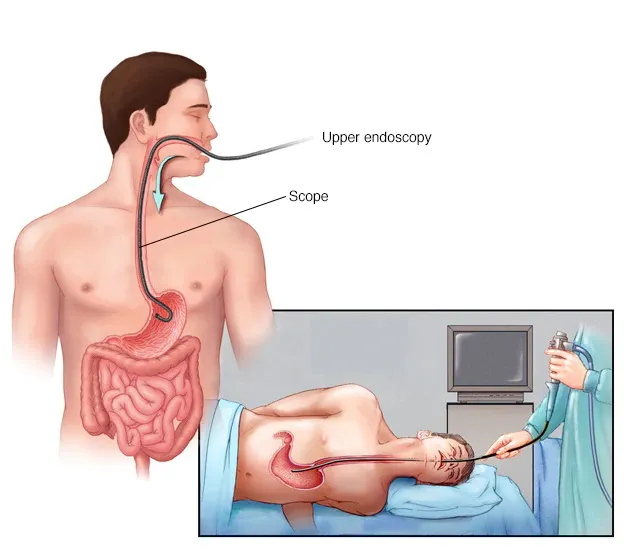
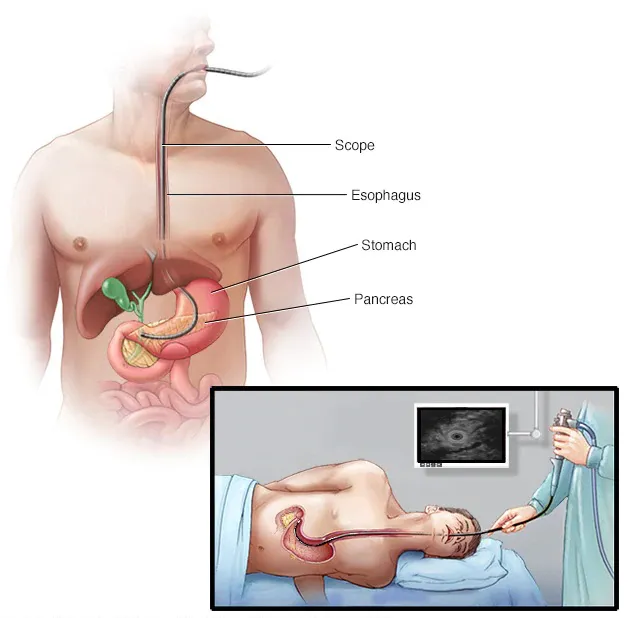
- An endoscope is passed through the mouth into the small intestine.
- ERCP techniques are used to access the relevant duct.
- The SpyGlass catheter is advanced into the duct when indicated.
- The specialist directly visualises the stone and may use an appropriate lithotripsy method.
- Fragments are removed where possible, and duct drainage is assessed.
- A temporary stent or a repeat procedure may be required if complete clearance is not appropriate or achievable during that session.
The precise steps vary according to the anatomy, stone characteristics and treatment required.
Recovery and Possible Complications
Recovery depends on the complexity of treatment, the patient’s overall health and whether further intervention is required. Some patients can leave hospital after observation, while others need admission or staged treatment.
Potential complications include:
- Post-ERCP pancreatitis: Inflammation of the pancreas following the procedure.
- Bleeding: Particularly if a sphincterotomy is performed.
- Infection or cholangitis: Especially if drainage is incomplete or infection is already present.
- Perforation: An uncommon but potentially serious injury to the digestive tract or ductal area.
- Incomplete stone clearance: Additional procedures or alternative treatment may be needed.
- Sedation-related complications: Changes in breathing, blood pressure or heart function.
Seek urgent medical assessment for severe or increasing abdominal pain, fever, persistent vomiting, jaundice or gastrointestinal bleeding after the procedure.
Your doctor should explain your individual risks, expected recovery and any required follow-up, including stent removal or exchange.
Why Choose Dr. Ram Chandra Soni?
Dr. Ram Chandra Soni holds MBBS, MD (Medicine) and DM (Gastroenterology) qualifications and serves as Chairman – Gastroenterology & Hepatology at Accord Superspeciality Hospital, Faridabad. His official profile describes experience in advanced endoscopic procedures, including ERCP and endoscopic ultrasound.
Patients considering treatment for difficult duct stones should receive:
- A detailed review of previous ERCPs, scans and blood test results.
- Assessment of stone size, location, duct anatomy and infection risk.
- An explanation of conventional and advanced treatment options.
- A discussion of the risks, likelihood of duct clearance and possible need for repeat treatment.
- A clear follow-up plan for drainage, stents and any remaining stones.
Book a Gastroenterology Consultation in Faridabad
If you have been diagnosed with difficult bile duct or pancreatic duct stones, consult a gastroenterologist to review your reports and determine the most appropriate treatment.
Appointment: +91 98114 46141 | 24×7 Emergency: +91 88005 01960
Hospital: Accord Superspeciality Hospital, Sector 86, Greater Faridabad
Clinic: SCO 91, Sector 17, near Indian Bank, HUDA Market, Faridabad
For consultation details, visit the official website.
Frequently Asked Questions
1. What is SpyGlass-guided lithotripsy?
It is an advanced endoscopic technique that combines direct visualisation inside a bile duct, and in selected cases a pancreatic duct, with energy-based stone fragmentation. It may be considered for difficult stones that cannot be removed easily using conventional methods.
2. Are all bile duct stones treated with SpyGlass?
No. Many stones can be removed through standard ERCP techniques. SpyGlass-guided treatment is generally reserved for selected difficult stones or cases where direct visualisation may provide an advantage.
3. Can SpyGlass be used for pancreatic duct stones?
It may be considered in selected patients, particularly when pancreatic duct stones are difficult to treat. Suitability depends on stone location, duct anatomy, associated chronic pancreatitis and the expertise and equipment available.
4. What is the difference between laser lithotripsy and EHL?
Both methods fragment stones. Laser lithotripsy uses laser energy, whereas electrohydraulic lithotripsy uses shock waves generated by electrical discharges. The appropriate method depends on the clinical situation and available equipment.
5. Is thulium laser treatment available at Dr. Ram Chandra Soni’s facility?
Please confirm the specific laser technology and service availability with the hospital before making a treatment decision.
6. Is the procedure safe?
ERCP and intraductal lithotripsy can be useful but carry risks, including pancreatitis, bleeding, infection and perforation. Individual risk depends on the patient’s condition and procedural complexity. Your specialist should discuss these risks before obtaining consent.
7. What if the stone cannot be removed in one session?
Depending on the patient’s condition, the specialist may place a temporary stent to maintain drainage, schedule another endoscopic procedure or consider another treatment option. The plan depends on infection risk, duct anatomy and the remaining stone burden.
8. How do I know whether I need advanced lithotripsy?
A specialist reviews your imaging, previous ERCP reports, stone size and location, and any previous treatment failures. Advanced lithotripsy is considered only when its expected benefits justify the risks and suitable expertise and equipment are available.

 WhatsApp Us