

Difficulty swallowing, food getting stuck, or feeling full long after eating may indicate a digestive motility disorder. In selected patients, advanced endoscopic procedures can help treat the underlying problem.
POEM, Z-POEM and G-POEM are three different procedures, each designed for a specific condition. The appropriate treatment depends on diagnostic findings, symptoms and specialist assessment.
Dr. Ram Chandra Soni, Chairman – Gastroenterology & Hepatology at Accord Superspeciality Hospital, Faridabad, provides gastroenterology care. Explore his endoscopy services to learn more about digestive investigations.
1. POEM (Peroral Endoscopic Myotomy)
POEM is primarily used to treat achalasia, a condition in which the oesophagus has difficulty moving food into the stomach.
Common symptoms:
– Difficulty swallowing food and liquids
– Regurgitation of undigested food
– Chest discomfort while swallowing
– Unexplained weight loss
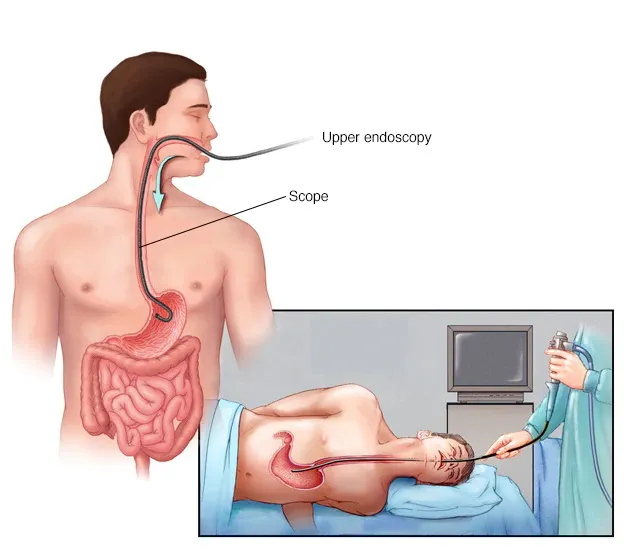
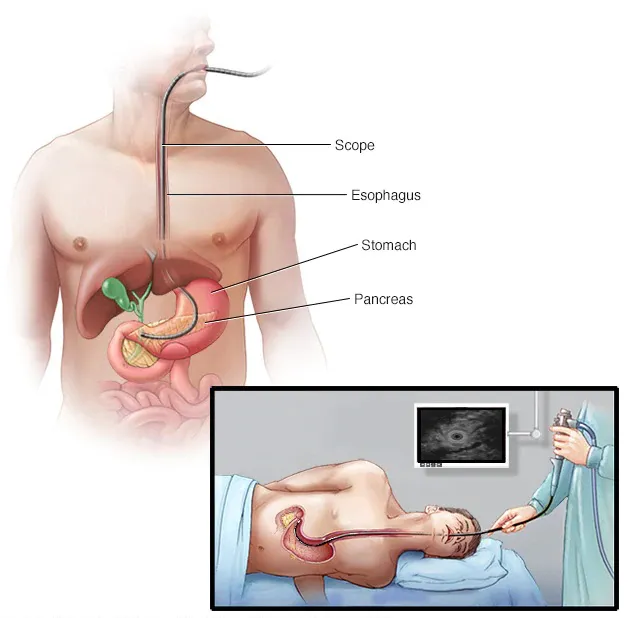
The procedure uses an endoscope passed through the mouth to divide selected oesophageal muscle fibres, helping food pass more easily.
Before treatment, patients may need endoscopy, oesophageal manometry and other investigations. Recovery involves monitored observation and a gradual return to eating. Potential risks include bleeding, leakage and acid reflux.
Learn more about upper GI endoscopy
2. Z-POEM for Zenker’s Diverticulum
Zenker’s diverticulum is a pouch near the upper oesophagus where food can collect, causing swallowing difficulties and regurgitation.
Symptoms may include:
– Difficulty swallowing
– Food returning to the mouth
– Bad breath
– Coughing or choking while eating
Z-POEM uses an endoscope to divide the muscle separating the pouch from the normal swallowing passage. The aim is to improve swallowing and reduce food trapping.
Assessment may include a swallowing study and other investigations. Recovery and dietary progression depend on the procedure and the patient’s condition. Possible risks include bleeding, infection, leakage and perforation.
Not every patient with Zenker’s diverticulum requires treatment; the decision depends on symptoms and clinical findings.
3. G-POEM for Gastroparesis
Gastroparesis occurs when the stomach empties more slowly than normal without a mechanical blockage.
Common symptoms:
– Feeling full after eating small amounts
– Persistent bloating
– Nausea and vomiting
– Prolonged fullness after meals
G-POEM targets the pylorus, the muscular outlet of the stomach, by dividing selected muscle fibres to help stomach contents pass into the small intestine.
Before treatment, doctors may recommend gastric emptying tests, endoscopy and a review of medications and nutritional health. G-POEM is generally considered for selected patients whose symptoms persist despite appropriate treatment.
Recovery requires monitoring and a gradual return to food. Benefits vary, and continued dietary support or other treatment may still be needed.
Key Differences Between POEM, Z-POEM and G-POEM
| Procedure | Main condition treated | Treatment goal |
|---|---|---|
| POEM | Achalasia | Improve food passage through the oesophagus |
| Z-POEM | Zenker’s diverticulum | Improve swallowing and reduce food trapping |
| G-POEM | Selected cases of gastroparesis | Improve stomach emptying |
These procedures are not interchangeable. A specialist must confirm the diagnosis and determine whether an endoscopic procedure is appropriate.
Why Choose Dr. Ram Chandra Soni?
Dr. Ram Chandra Soni is Chairman – Gastroenterology & Hepatology at Accord Superspeciality Hospital, Faridabad. A specialist consultation can help patients understand their symptoms, identify appropriate investigations and consider suitable treatment options.
Patients should receive clear information about the expected benefits, risks, alternatives and follow-up requirements before deciding on a procedure.
Visit the official website to enquire about a consultation.
Frequently Asked Questions
1. What is the main difference between POEM, Z-POEM and G-POEM?
POEM treats selected oesophageal motility disorders, Z-POEM treats Zenker’s diverticulum, and G-POEM may help selected patients with gastroparesis.
2. Is POEM suitable for everyone with achalasia?
No. Suitability depends on diagnostic findings, previous treatment and individual health.
3. Does Z-POEM remove the pouch?
It primarily divides the muscle septum to improve swallowing; it does not necessarily remove the pouch.
4. Does G-POEM cure gastroparesis?
Not always. Some patients improve, but others may need ongoing dietary management or additional treatment.
5. Do these procedures require external incisions?
They are performed through the mouth using an endoscope, without external surgical incisions. However, they carry procedural risks and generally require anaesthesia.
6. What tests are needed before treatment?
Tests depend on the suspected condition and may include endoscopy, manometry, swallowing studies or gastric emptying tests.
7. Are these procedures available with Dr. Ram Chandra Soni?
Availability should be confirmed directly with the clinic or hospital before planning treatment.

 WhatsApp Us