Persistent acid reflux can affect sleep, eating habits and everyday comfort. When gastro-oesophageal reflux disease (GERD) continues despite appropriate treatment, a specialist may consider whether further investigation or an advanced intervention is needed.
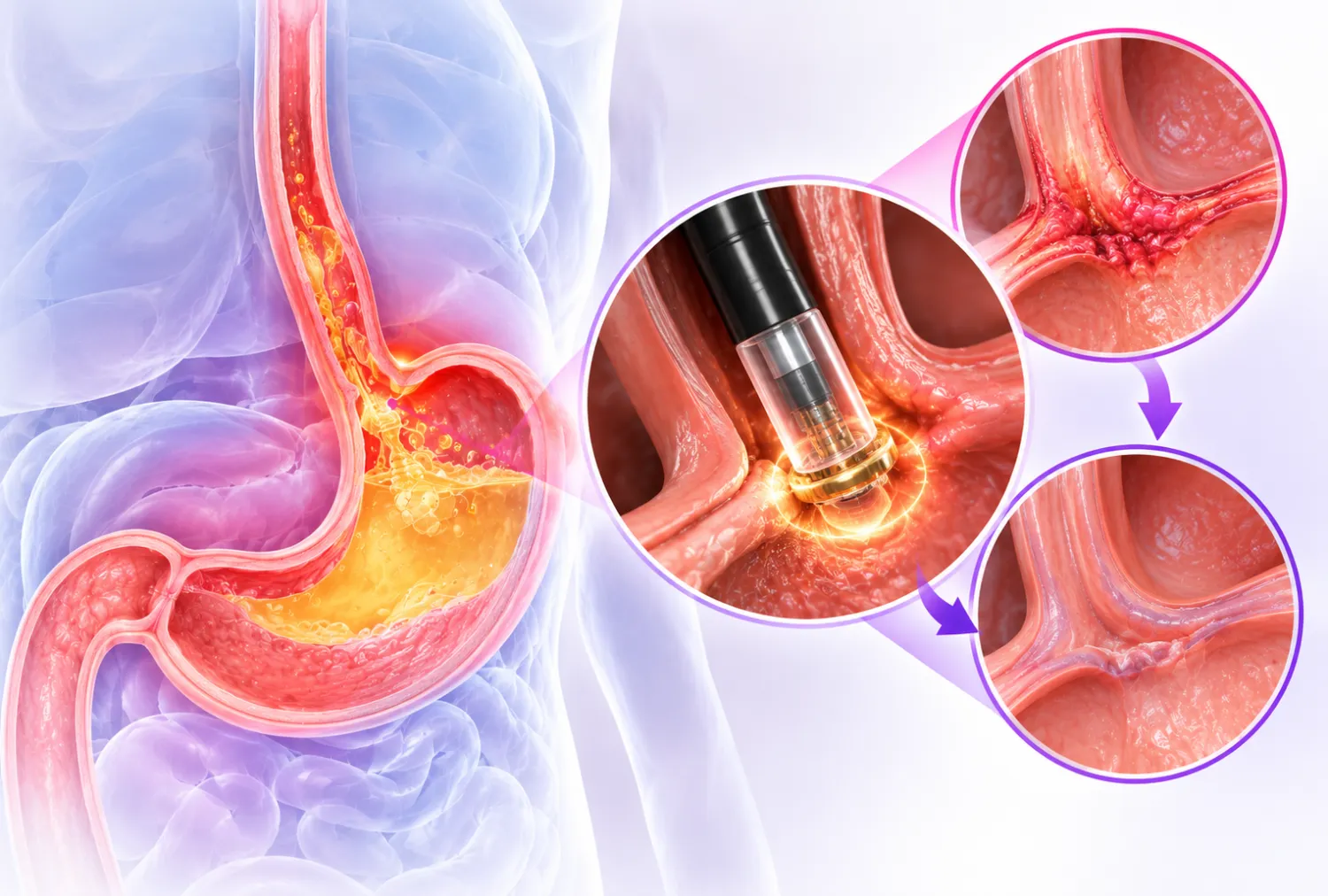
Anti-Reflux Mucosal Ablation (ARMA) is an emerging endoscopic technique being studied for selected patients with GERD. It aims to modify tissue around the gastro-oesophageal junction to encourage healing and improve the barrier against reflux. ARMA is not a universally established first-line treatment, and its suitability and availability must be confirmed by a specialist.
Dr. Ram Chandra Soni, MBBS, MD (Medicine), DM (Gastroenterology), is Chairman of Gastroenterology & Hepatology at Accord Superspeciality Hospital, Faridabad.
Gastro-oesophageal reflux disease occurs when stomach contents repeatedly flow back into the food pipe (oesophagus). Common symptoms include heartburn, sour-tasting regurgitation, chest discomfort and symptoms that worsen after meals or when lying down.
Persistent reflux may cause oesophageal inflammation and, in some patients, complications such as narrowing or Barrett’s oesophagus. If symptoms frequently return despite treatment, medical assessment can help establish whether GERD is responsible and determine the next steps.
ARMA is an endoscopic technique in which selected areas of mucosal tissue around the gastro-oesophageal junction are ablated. During healing, the treated tissue may contract and create changes intended to strengthen the barrier against reflux.
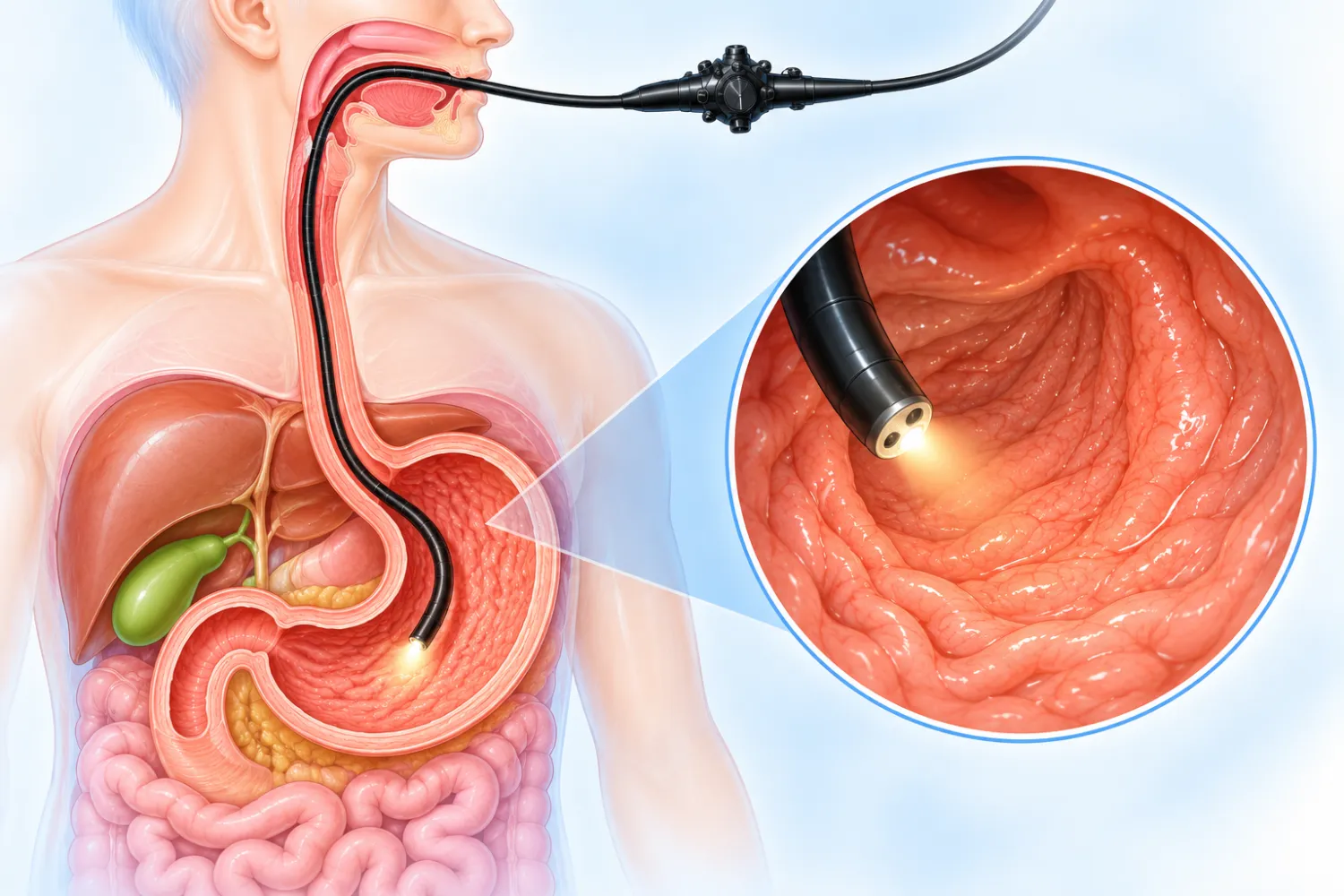
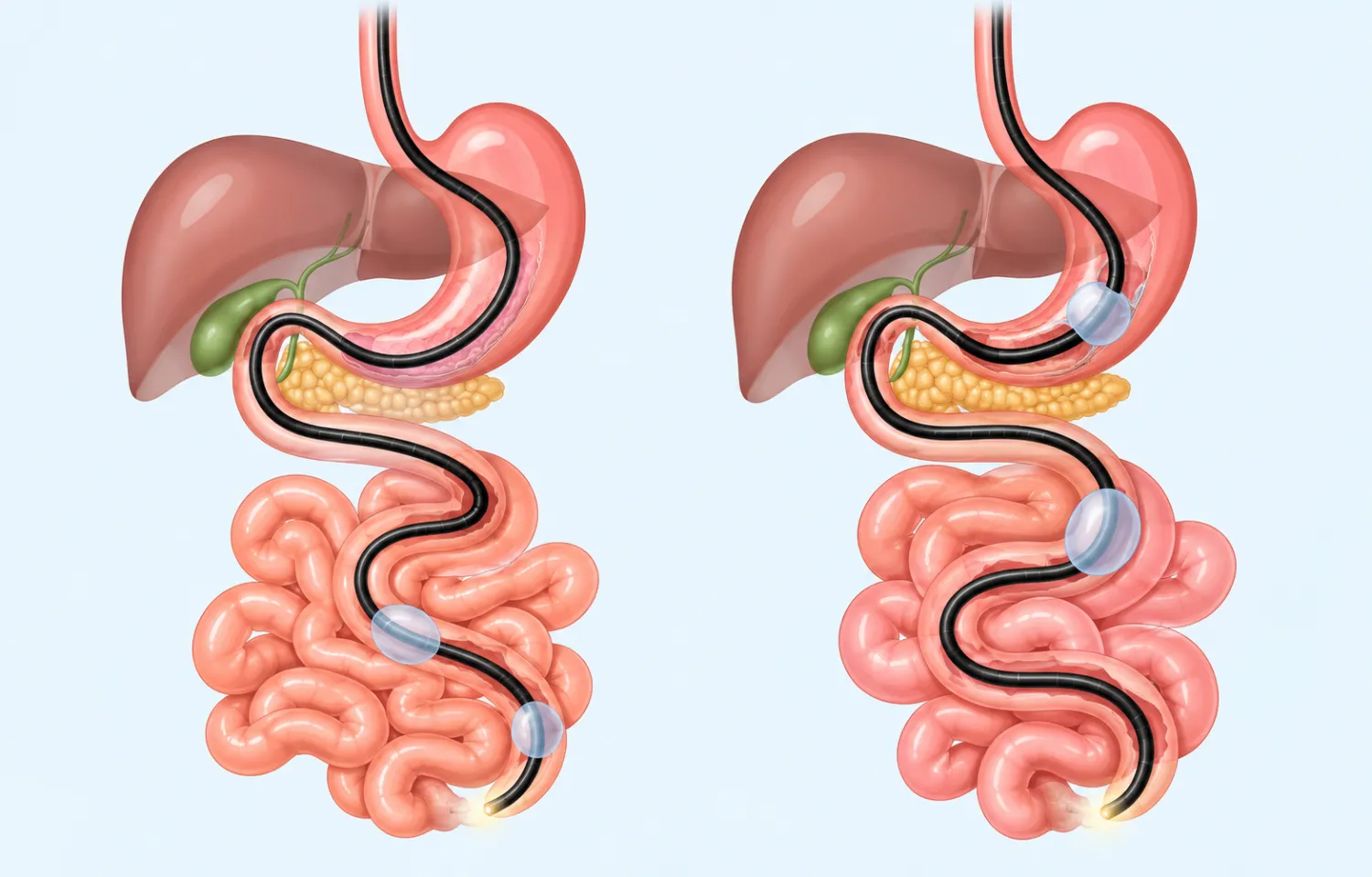
The procedure is performed through an endoscope passed through the mouth, rather than through an external surgical incision. However, ARMA is a specialised intervention, and its technique, risks and results depend on patient selection and the expertise of the treating team.
Early studies and systematic reviews report promising outcomes, but the available evidence remains limited compared with established GERD treatments. Further high-quality comparative research is needed to clarify long-term effectiveness and identify the patients most likely to benefit.
Before considering an intervention, the specialist needs to confirm the diagnosis, assess the anatomy and understand the pattern of reflux. Investigations may include:
Not every patient requires every test. The investigations depend on symptoms, previous results and the intervention being considered.
ARMA may be discussed in selected patients with objectively confirmed GERD, particularly when symptoms remain troublesome despite appropriate medical management and the clinical assessment supports an endoscopic approach.
It may not be appropriate for everyone. Significant anatomical abnormalities, a large hiatal hernia, severe oesophageal disease, swallowing problems or other medical conditions may influence eligibility or favour an alternative treatment. The exact selection criteria are still evolving.
A gastroenterologist should review the test results, medical history, expected benefits, alternatives and procedural risks before making a recommendation.
ARMA should not be assumed to be safer, more effective or more durable than established alternatives. Treatment choices should be individualised using objective findings and specialist advice.
If ARMA is being considered, the treating team will explain the technique, fasting instructions, medication review, sedation arrangements and expected recovery. The procedure involves endoscopic treatment of selected tissue near the gastro-oesophageal junction.
After treatment, patients may require a modified diet for a period, medication and scheduled follow-up. The exact instructions depend on the technique used and the clinician’s protocol.
Potential risks include bleeding, pain, difficulty swallowing, ulceration, oesophageal narrowing (stricture) and, rarely, perforation or other serious complications. Patients should seek urgent medical assessment for severe chest or abdominal pain, vomiting blood, fever or difficulty swallowing fluids.
Dr. Ram Chandra Soni is a gastroenterologist with MBBS, MD (Medicine) and DM (Gastroenterology) qualifications. His clinical role includes gastroenterology and hepatology care at Accord Superspeciality Hospital, Faridabad.
Patients experiencing persistent reflux can consult him for evaluation of their symptoms, review of previous treatment and discussion of appropriate diagnostic investigations and treatment options.
No. Medication and lifestyle measures remain important established treatments. ARMA is an emerging technique for selected cases, and evidence supporting its routine use is still developing.
ARMA is an endoscopic procedure performed through the mouth, without an external surgical incision. It is still an intervention with potential complications and requires appropriate specialist assessment.
A permanent cure cannot be guaranteed. Research suggests potential symptom improvement in selected patients, but long-term effectiveness and durability require further study.
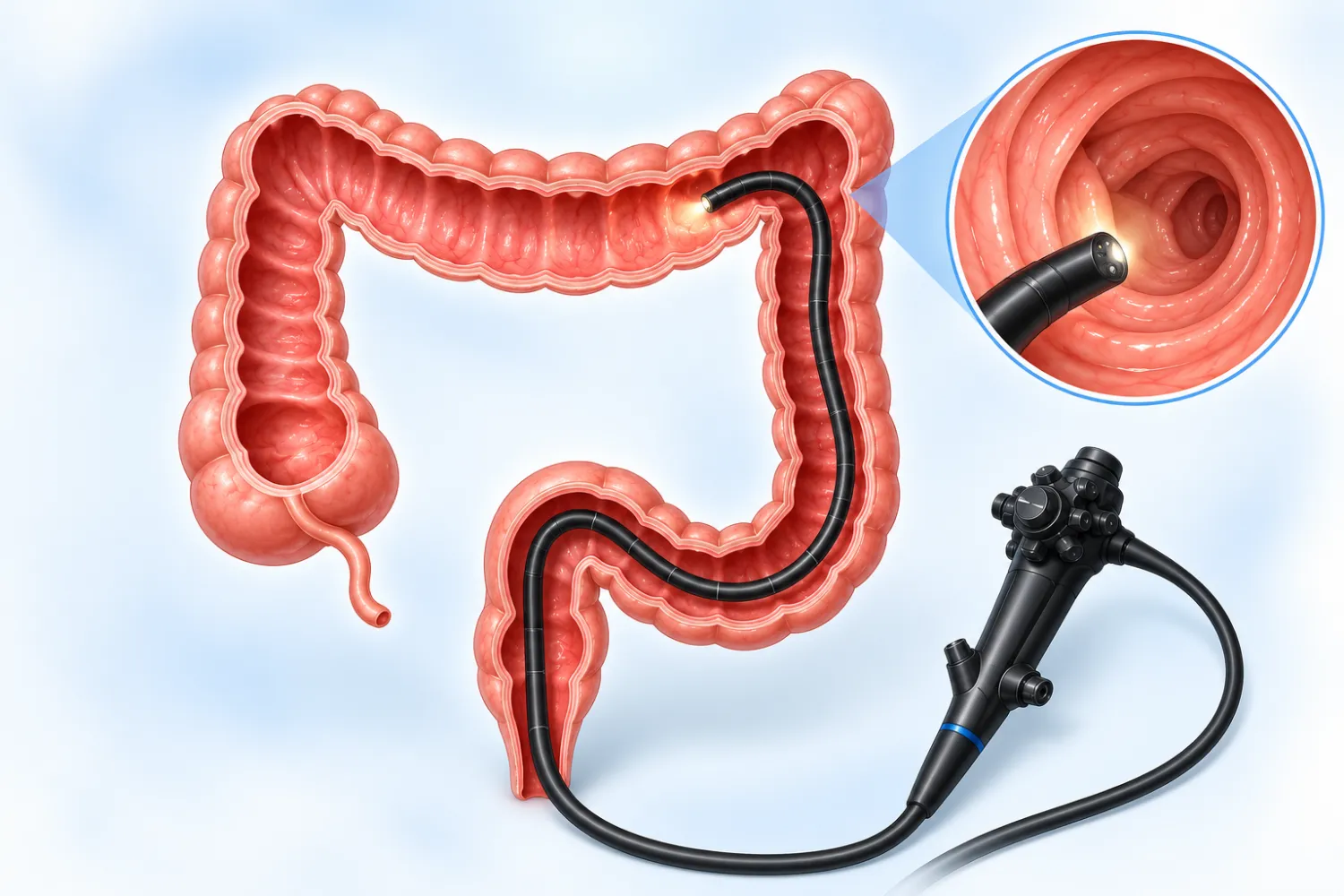
Depending on the case, assessment may include upper GI endoscopy, reflux monitoring and oesophageal manometry. The specialist determines which tests are appropriate.
Risks may include bleeding, pain, difficulty swallowing, ulceration and oesophageal stricture. Rare but serious complications can occur, so the risks must be discussed before treatment.
ARMA uses endoscopic mucosal treatment near the gastro-oesophageal junction. Fundoplication is a surgical procedure that reinforces the anti-reflux barrier. The options differ in technique, risks, evidence and suitability.
Please contact Dr. Soni’s clinic or Accord Superspeciality Hospital to confirm whether the procedure is offered and whether you may be eligible.
Consult a gastroenterologist rather than changing or stopping medication on your own. Further testing may help confirm the diagnosis and determine whether medication adjustments, lifestyle measures or another treatment is appropriate.
If persistent heartburn or regurgitation is affecting your daily life, seek a specialist assessment to understand the cause and discuss evidence-based treatment options.
Appointment: +91 98114 46141 | 24×7 Emergency: +91 88005 01960
Hospital: Accord Superspeciality Hospital, Sector 86, Greater Faridabad
Clinic: SCO 91, Sector 17, near Indian Bank, HUDA Market, Faridabad
for Anti-Reflux Mucosal Ablation (ARMA)
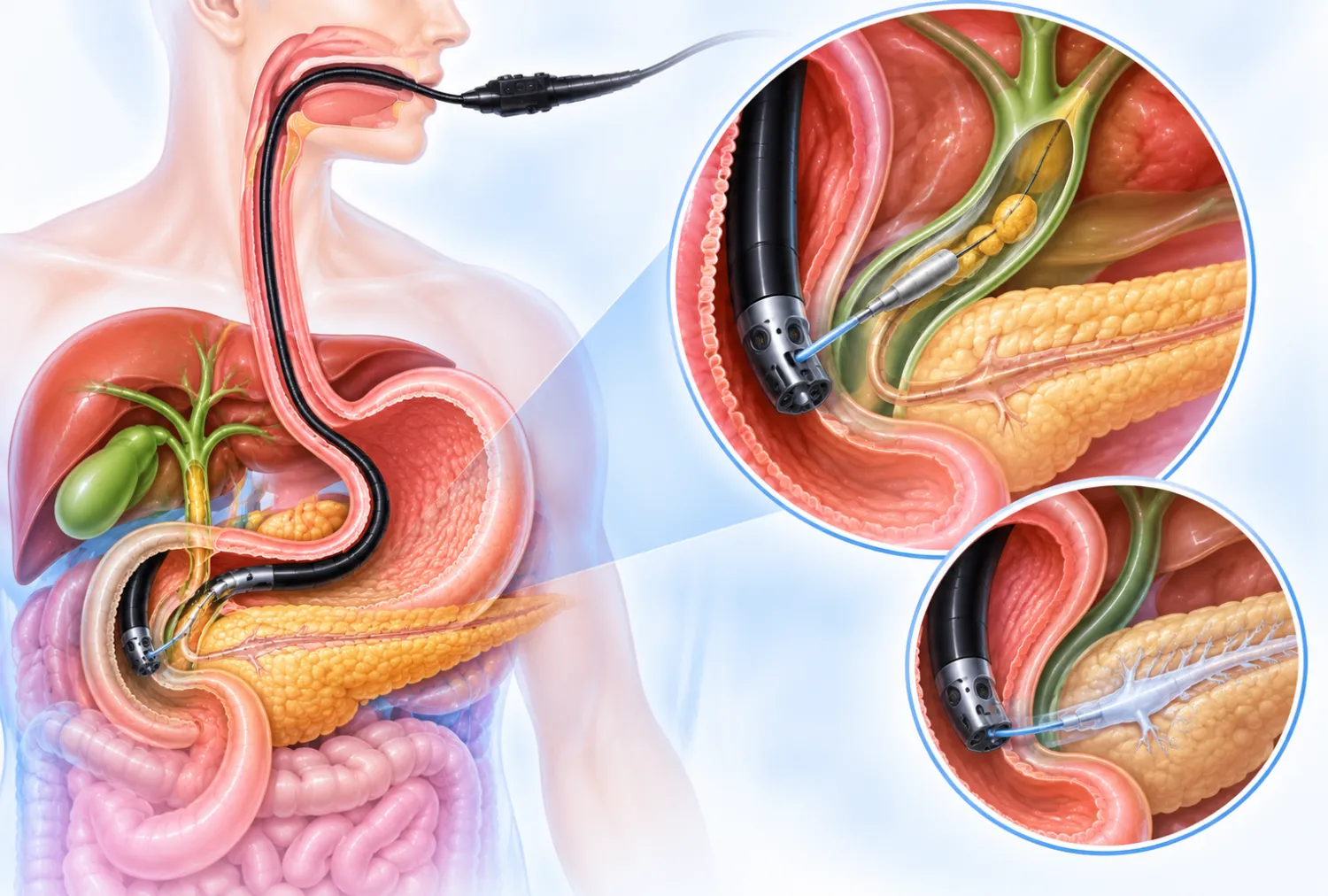
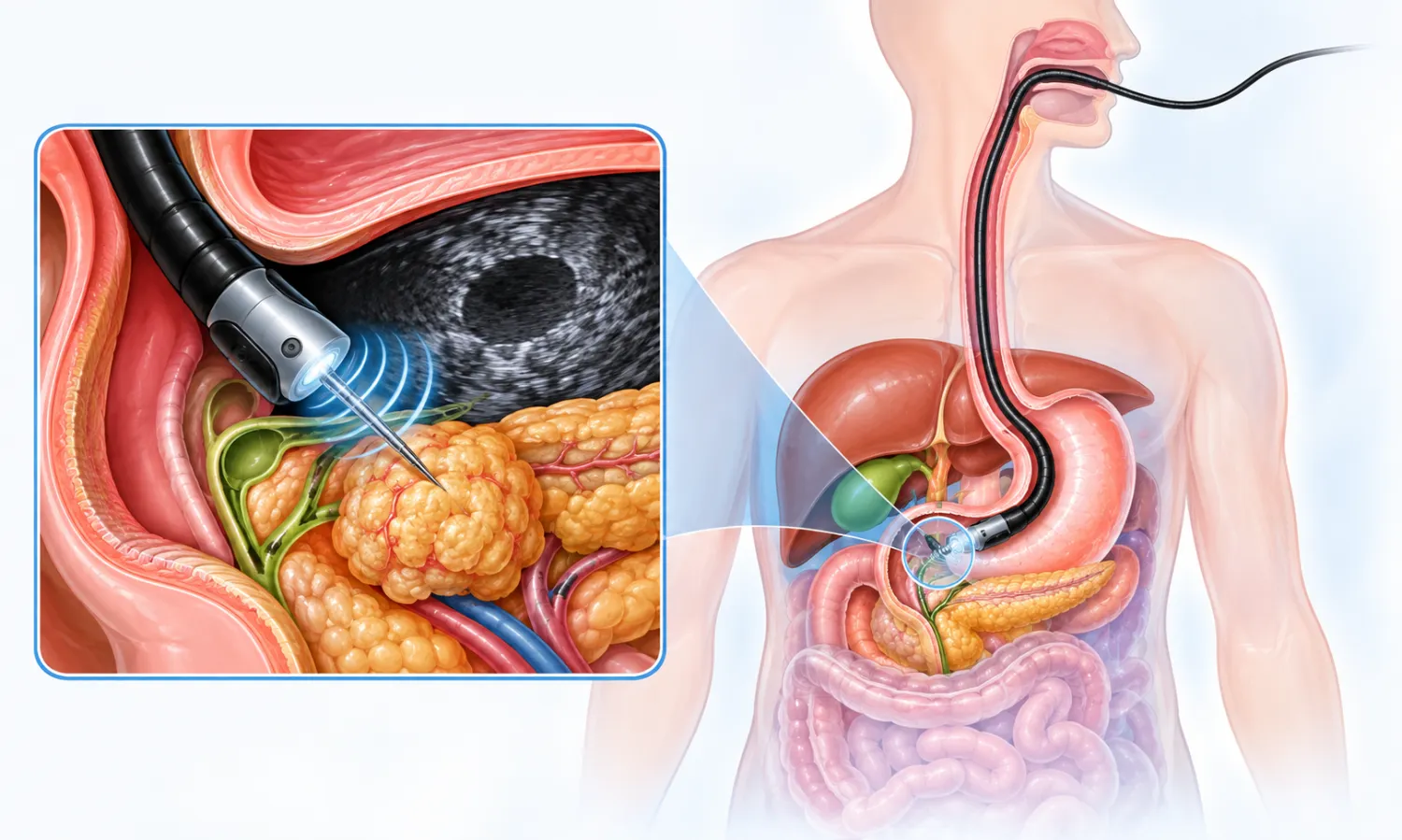
From endoscopy and colonoscopy to FibroScan, ERCP and advanced gastrointestinal procedures, we offer expert diagnosis and personalized treatment for a wide range of digestive disorders.
Experience personalized medical attention and compassionate care. Book your appointment today and take the first step toward better health.
© 2026. Dr. Rama Chandra Soni.All rights Reserved.
Built By: Shivafeb17 | Codenbrand
 WhatsApp Us