Managing excess weight can be challenging, particularly when diet and exercise alone have not delivered sustainable results. For selected adults living with obesity, an intragastric balloon may be considered as part of a medically supervised weight-management programme.
Dr. Ram Chandra Soni, MBBS, MD (Medicine), DM (Gastroenterology), is Chairman of Gastroenterology & Hepatology at Accord Superspeciality Hospital, Faridabad. He provides consultation for digestive and gastrointestinal conditions and has experience in advanced endoscopic procedures.
An intragastric balloon is a temporary device placed inside the stomach to help a person feel full sooner and potentially eat smaller portions. It is not a standalone cure for obesity. Its role is to support a structured programme that includes nutritional guidance, physical activity, behavioural changes and regular medical follow-up.
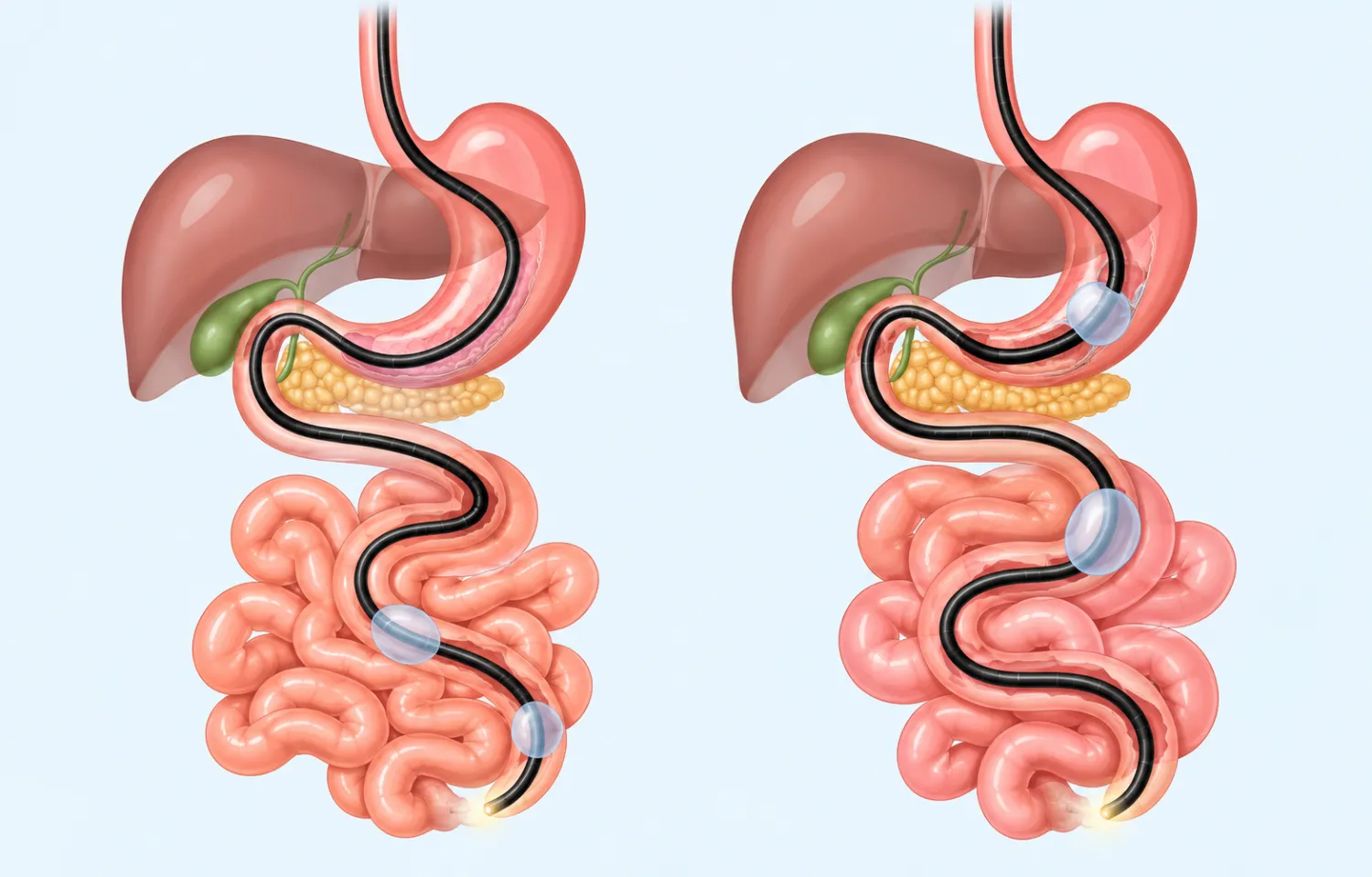
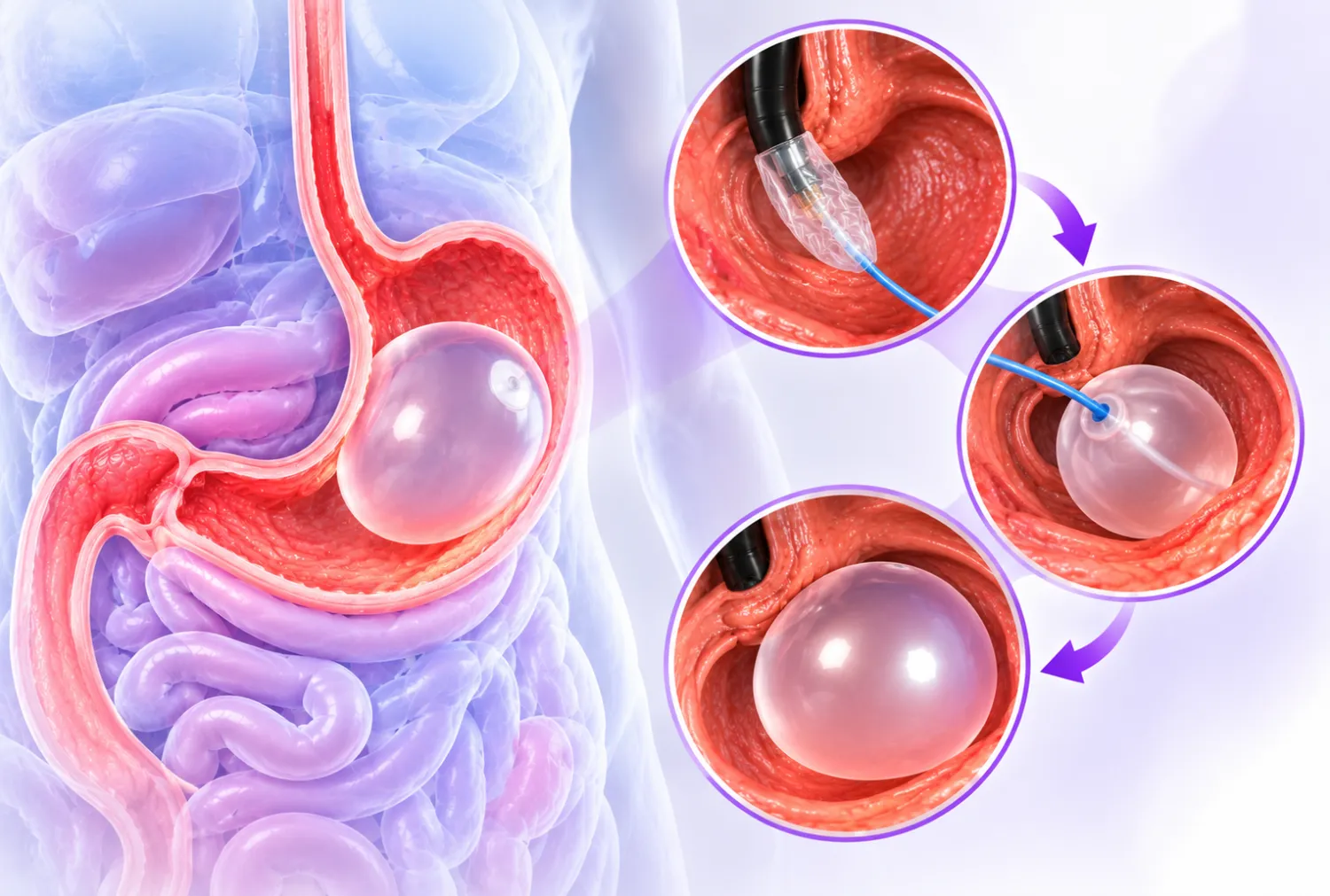
Intragastric balloon placement is a weight-management procedure in which a soft balloon is positioned inside the stomach and filled according to the instructions for the particular device. By occupying part of the stomach, the balloon can help increase the sensation of fullness and reduce the amount of food a person can comfortably eat at one time.
The balloon is generally intended for temporary use. Depending on the device, it may require endoscopic placement and removal, or it may follow a different approved placement and removal pathway. The correct approach depends on the specific balloon system and the patient’s medical circumstances.
The procedure is usually considered alongside a structured lifestyle programme rather than as an alternative to long-term changes in eating habits and activity.
An intragastric balloon works primarily by occupying space in the stomach and helping a person feel satisfied with smaller meals. This may make it easier to follow a calorie-controlled eating plan.
Potential effects include:
The balloon does not directly remove body fat, permanently reduce the size of the stomach or guarantee a particular amount of weight loss. Results depend on several factors, including baseline health, adherence to the programme, the device used and individual response.
Intragastric balloon treatment may be considered for some adults with obesity who need additional support with weight management. Suitability depends on more than body weight alone.
During an assessment, the doctor may consider:
Eligibility criteria differ between devices and approved instructions. BMI alone does not determine whether a balloon is suitable, and a consultation is necessary before making a decision.
An intragastric balloon may be unsuitable or require additional specialist assessment for people with certain conditions. Depending on the device, these may include:
This is not a complete list. Contraindications vary by device, and the treating team must review the applicable instructions before determining eligibility.
Preparation begins with a medical consultation to assess whether the procedure is appropriate. The doctor may review weight history, existing health conditions, previous treatments, medications and any symptoms that require further investigation.
Depending on the clinical assessment, preparation may include:
Patients should follow the treating team’s fasting and medication instructions exactly. Preparation requirements can differ according to the balloon system and the type of procedure.
The placement method depends on the specific device selected.
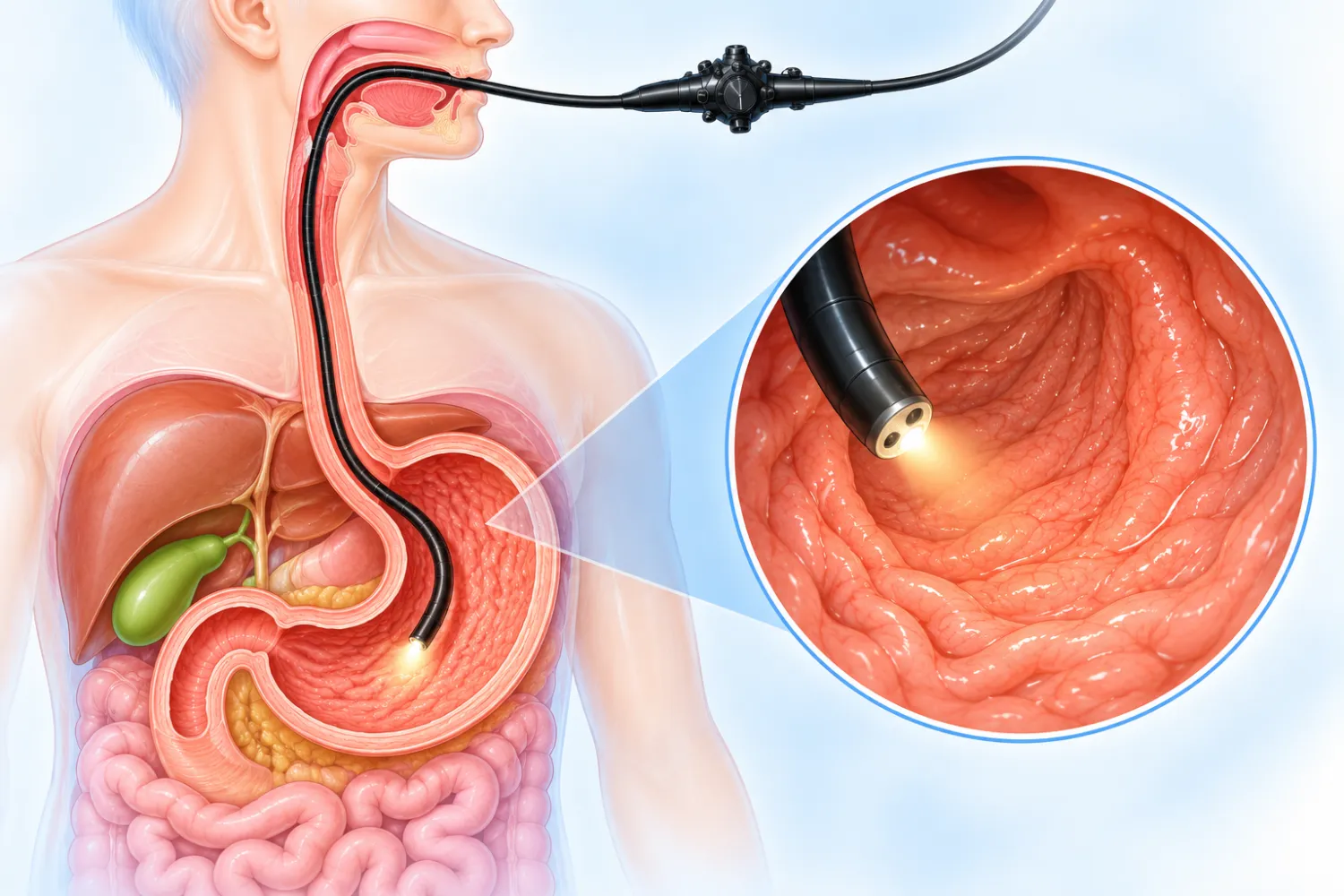
For balloon systems that require endoscopic placement, a flexible endoscope is passed through the mouth into the stomach, generally with appropriate sedation. The balloon is positioned and filled according to the manufacturer’s instructions. The team then checks the placement and provides recovery guidance.
Some balloon systems use a different approved placement pathway. These methods should not be assumed to be available at every centre, and they should only be described as part of the service if the clinic confirms that the relevant device and technique are offered.
The precise procedure, anaesthesia or sedation plan, expected duration and discharge arrangements should be discussed with the treating team beforehand.
Dietary progression is an important part of recovery. The stomach needs time to adapt to the balloon, and eating too much or progressing through food textures too quickly may worsen nausea, vomiting or discomfort.
The schedule must follow the instructions for the specific device and the treating clinician. A typical plan may progress through the following stages:
Initially, patients may be instructed to take small, frequent sips of permitted fluids. The exact timing and permitted fluids depend on the treatment plan.
If tolerated and approved by the clinical team, the diet may progress to suitable nourishing liquids. Hydration is particularly important during this stage.
Soft, easy-to-digest foods may be introduced gradually as advised. Small portions and slow eating can help reduce discomfort.
Patients may gradually return to an appropriate solid-food diet, focusing on portion control, adequate protein, balanced nutrition and mindful eating.
Do not follow a generic diet schedule in place of your own instructions. Persistent vomiting or difficulty keeping fluids down is not something to manage by simply waiting for the next dietary stage.
Follow-up appointments help the care team assess tolerance, hydration, nutritional intake, weight-management progress and any complications. Patients may also need support with portion sizes, food choices, physical activity and behavioural changes.
An intragastric balloon is generally a temporary treatment. The planned removal date depends on the particular device and its approved instructions. Some balloons require endoscopic removal; others have a different approved removal process. The clinic should confirm the intended duration, the removal method and the arrangements before placement.
Patients must not assume that the balloon can remain in place indefinitely. Missing a scheduled removal or review appointment can create avoidable risks. If severe or unusual symptoms develop, the team may recommend urgent assessment or earlier removal.
The suitability and relative benefits of a balloon compared with other treatments must be assessed individually.
Nausea, vomiting, abdominal discomfort, bloating and reflux can occur after balloon placement, particularly while the stomach adapts. The severity and duration vary from person to person.
Repeated vomiting can lead to dehydration and electrolyte disturbances. Patients may need medication, additional fluids or medical assessment if symptoms are difficult to control.
Less common but potentially serious complications can include:
The nature and frequency of risks vary by device. A doctor should explain the specific risks before treatment, including which symptoms require urgent attention.
Seek urgent medical care for severe or worsening abdominal pain, persistent vomiting, inability to keep fluids down, marked abdominal swelling, vomiting blood, black stools, fainting or other concerning symptoms. Do not assume that severe pain is a normal part of adapting to the balloon.
Several options may be considered for people who need medical support with weight management. They differ in how they work, their invasiveness, their duration and the follow-up they require.
| Feature | Intragastric balloon | Endoscopic Sleeve Gastroplasty (ESG) | Surgical sleeve gastrectomy |
|---|---|---|---|
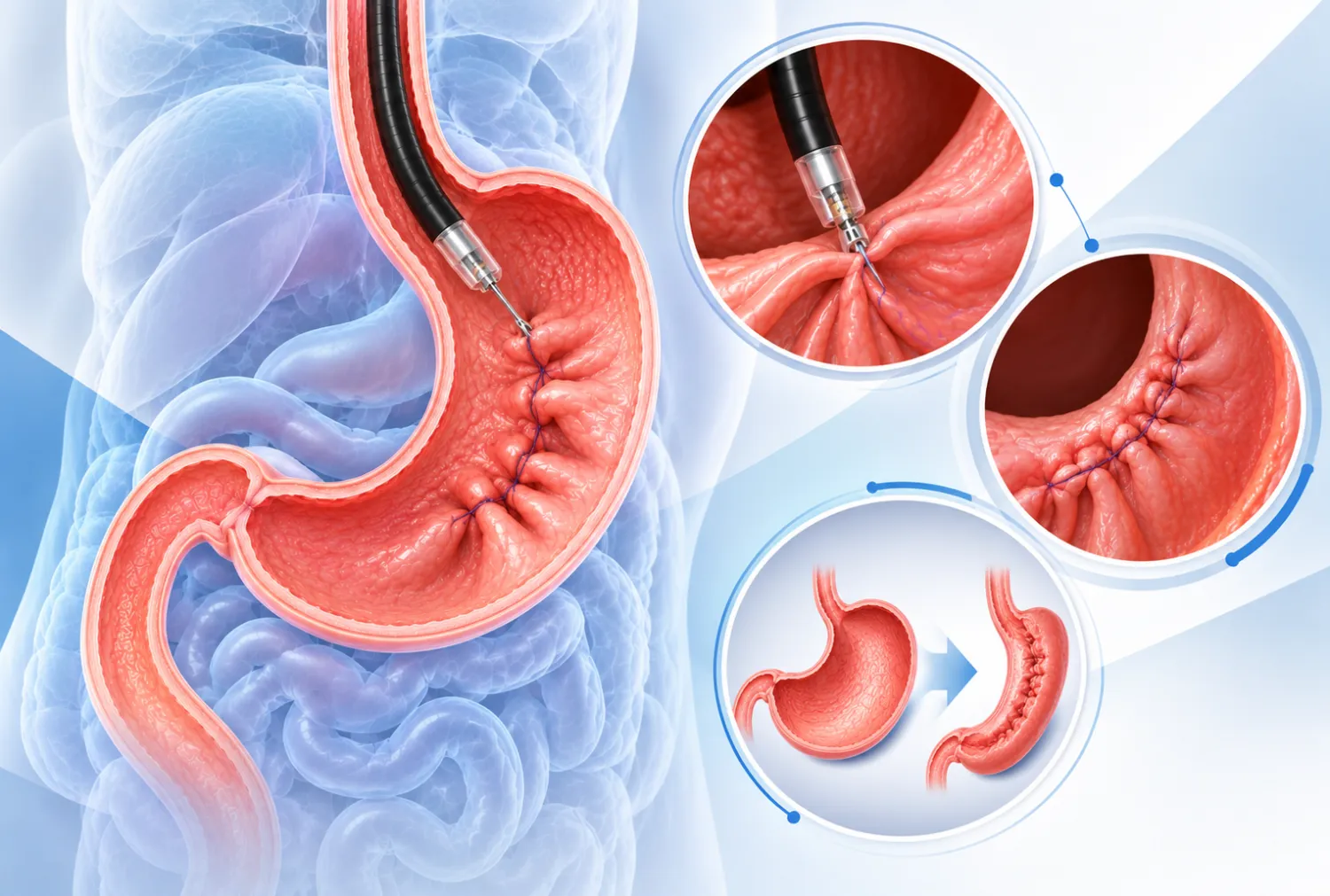
| How it works | A temporary balloon occupies space in the stomach | Endoscopic sutures reshape the stomach | Surgery removes part of the stomach |
| Access | Depends on the balloon device; some use endoscopy | Performed through the mouth using an endoscope | Performed surgically |
| Anatomical change | No intended permanent stomach reduction | Stomach shape is altered using sutures | Permanent reduction in stomach size |
| Device or procedure duration | Balloon is temporary; duration is device-specific | Sutures and the resulting stomach shape are intended to provide longer-term change | Permanent anatomical change |
| Follow-up | Essential during treatment and around removal | Essential for nutrition, recovery and long-term weight management | Essential for nutrition, monitoring and long-term care |
| Main consideration | Tolerance, device-specific risks and planned removal | Suitability for endoscopic stomach reshaping and procedural risks | Surgical suitability, recovery and potential long-term nutritional effects |
These approaches are not interchangeable. The best option depends on medical history, BMI, previous weight-management attempts, treatment goals, procedural risks and patient preference. A specialist consultation can help compare suitable options without assuming that one procedure is right for everyone.
An intragastric balloon creates an opportunity to practise sustainable changes, but the device alone cannot guarantee long-term results. Weight regain may occur after removal if previous eating patterns return, physical activity declines or other factors affecting weight are not addressed.
A structured programme may include:
Long-term support should be realistic, flexible and adapted to each person’s needs. If progress is limited or weight regain occurs, the next step should be a clinical review rather than self-blame or an unsupervised restrictive diet.
Dr. Ram Chandra Soni is a gastroenterologist with qualifications in medicine and gastroenterology and serves as Chairman of Gastroenterology & Hepatology at Accord Superspeciality Hospital, Faridabad. His official profile describes experience in diagnostic and therapeutic endoscopic procedures and a patient-focused approach to gastrointestinal care.
Patients considering an intragastric balloon can discuss their medical history, digestive health, weight-management goals and the potential role of endoscopic treatment during a consultation.
Reasons to consider consulting Dr. Soni include:
An intragastric balloon is a temporary device placed inside the stomach to occupy space and help a person feel full sooner. It may support weight management when combined with dietary changes, physical activity and medical follow-up.
Some adults with obesity may be suitable, particularly when previous weight-management efforts have not been sufficient. Eligibility depends on the specific device, BMI, medical history, digestive health and ability to follow the treatment and removal plan.
Weight loss varies. It depends on the device, starting weight, individual response and participation in the accompanying lifestyle programme. No particular result can be guaranteed, and outcomes should be discussed with the treating team.
Many balloon systems are placed endoscopically through the mouth and do not require surgical incisions. However, placement methods differ by device. The clinic should confirm which system is available and explain its procedure and removal requirements.
The permitted duration depends on the particular balloon system and its approved instructions. The planned removal date should be confirmed before placement, and patients should attend all required follow-up appointments.
Nausea and some vomiting can occur as the stomach adapts. However, persistent vomiting, worsening pain or an inability to keep fluids down can cause dehydration and may indicate a complication. Contact the treating team promptly, and seek urgent medical care for severe symptoms.
Yes. Weight regain is possible, particularly if eating and activity patterns return to previous habits. Long-term nutrition guidance, physical activity, behavioural support and follow-up are important for maintaining progress.
There is no single best option for everyone. A balloon is temporary, ESG reshapes the stomach using endoscopic sutures, and surgical sleeve gastrectomy permanently removes part of the stomach. A specialist can explain the risks, benefits and eligibility criteria for each option.
If you are exploring medically supervised options for weight management, a consultation can help you understand which approaches may be appropriate for your health, goals and medical history.
Appointment: +91 98114 46141 | 24×7 Emergency: +91 88005 01960
Hospital: Accord Superspeciality Hospital, Sector 86, Greater Faridabad
Clinic: SCO 91, Sector 17, near Indian Bank, HUDA Market, Faridabad
Contact the clinic to confirm whether intragastric balloon placement is currently available, which device is offered and whether the required follow-up and removal arrangements are in place.
for Intragastric Balloon Placement
From endoscopy and colonoscopy to FibroScan, ERCP and advanced gastrointestinal procedures, we offer expert diagnosis and personalized treatment for a wide range of digestive disorders.
Experience personalized medical attention and compassionate care. Book your appointment today and take the first step toward better health.
© 2026. Dr. Rama Chandra Soni.All rights Reserved.
Built By: Shivafeb17 | Codenbrand
 WhatsApp Us